WEF 2026 Moment: Thailand Champions “New Horizons” for Digital Growth and Global Partnership
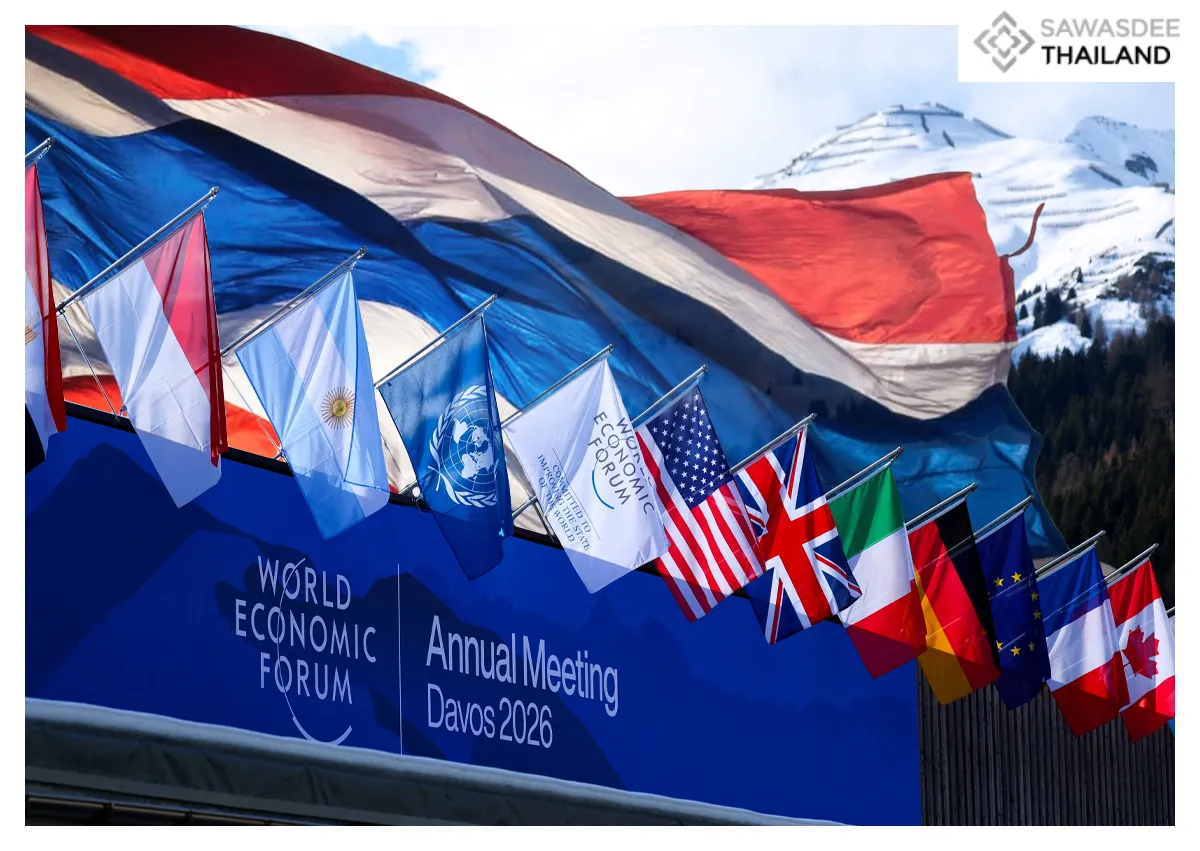
At the World Economic Forum 2026 in Davos, Switzerland, Team Thailand showcased the country’s strengths—from digital economy leadership and SME support to workforce upskilling and people-centred development—while building momentum towards Bangkok’s hosting of the IMF-World Bank Group Annual Meetings in October 2026.
When leaders gather in Davos, countries don’t just show up—they tell the world what they stand for. At the World Economic Forum 2026, Thailand arrived with a clear message: this is a nation ready to collaborate, ready to innovate, and ready to put people at the centre of economic progress.
From 19-23 January 2026, Ekniti Nitithanprapas, Deputy Prime Minister and Minister of Finance, joined forces with Suphajee Suthumpun, Minister of Commerce, and Sihasak Phuangketkeow, Minister of Foreign Affairs, alongside Thai private-sector representatives, to advance Thailand’s role in global conversations. The focus was purposeful and modern: the digital economy, investment-ready infrastructure, stronger skills for Thai workers, and a supportive environment for small and medium-sized enterprises (SMEs).
Finance diplomacy with a “New Horizons” invitation
One of the most notable meetings came on 21 January, when Ekniti sat down with Paul Chan, Financial Secretary of the Hong Kong Special Administrative Region, to exchange views on the global outlook and the pace of technological change—especially artificial intelligence and what it means for jobs, opportunity, and inclusion.
Thailand used the moment to extend an invitation with strategic weight: join activities connected to Bangkok’s hosting of the IMF-World Bank Group Annual Meetings in October 2026. The proposed theme “New Horizons: Empowering People and Building Resilience” was positioned as a forward-looking platform that fits both regional priorities and global agendas.
The discussion also highlighted practical areas where Hong Kong’s strengths as a capital-raising hub align with Thailand’s investment story, including opportunities such as data centres, logistics, and advanced technology industries. It was a reminder that investment conversations today are increasingly about ecosystems: talent, infrastructure, connectivity, and the policy clarity to turn ambition into projects.
People-centred development, Thailand-style
Ekniti also met Dr Christopher J. Elias, President of Global Development at the Gates Foundation, for an exchange on sustainable development, human capital, public health systems, and long-term preparedness. Thailand’s experience with universal health coverage was highlighted as a success story with lessons that travel—especially in the ASEAN context, where regional readiness and coordinated action can multiply impact.
The conversation also looked ahead to how Thailand, the Gates Foundation, and international partners can deepen cooperation before and during the October meetings in Bangkok—again under the banner of “New Horizons”. The tone was consistent: build development around people, strengthen systems, and create partnerships that deliver measurable outcomes.
OECD pathway: confidence through standards and reform
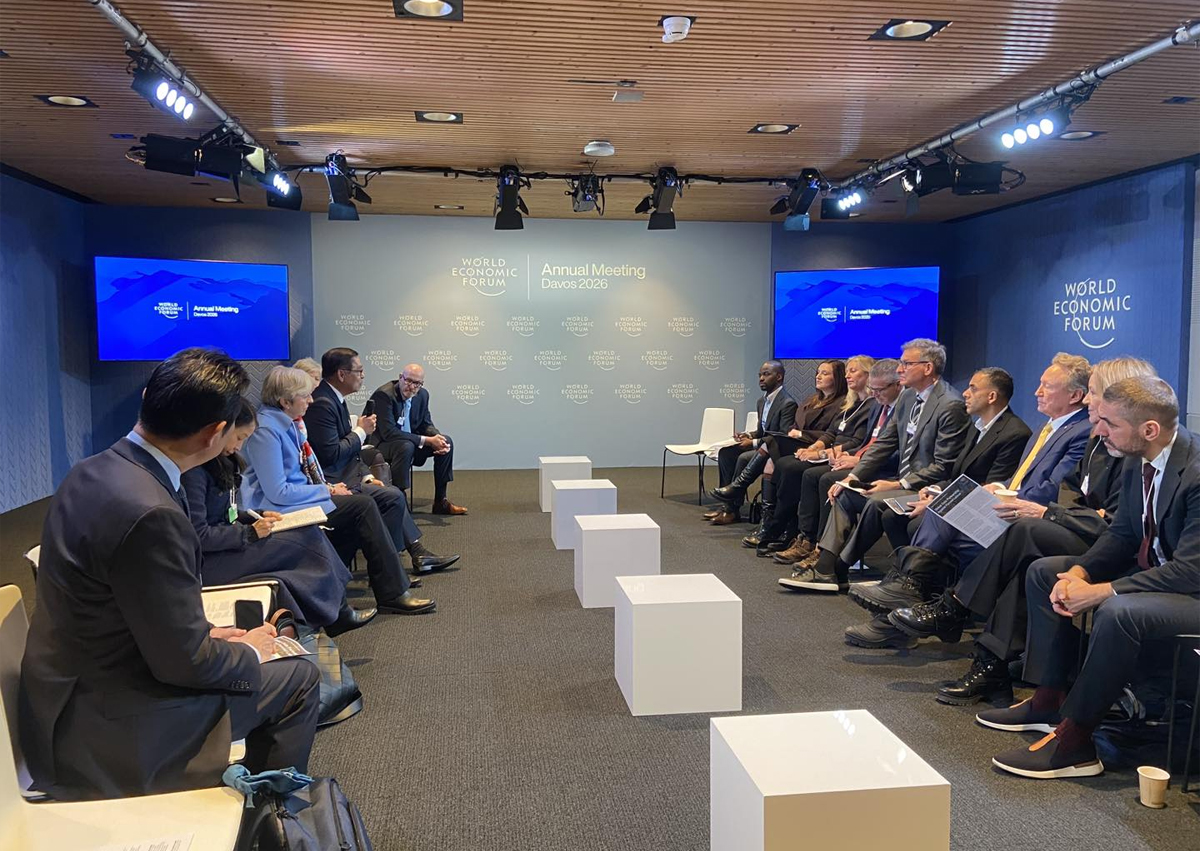
The Minister of Finance also met Mathias Cormann, Secretary-General of the Organisation for Economic Co-operation and Development (OECD), to discuss economic perspectives, structural reform, and Thailand’s progress and next steps in the OECD accession process. The dialogue emphasised areas that consistently strengthen investor confidence and competitiveness—good governance, transparency, anti-corruption frameworks, regulatory quality, competition policy, and sound public administration.
For Thailand, OECD engagement is about more than membership—it is about learning from global best practice, building predictability in the investment environment, and connecting into a trusted network of policy data and expertise that supports long-term growth.
Trade gets recoded, and Thailand is in the room
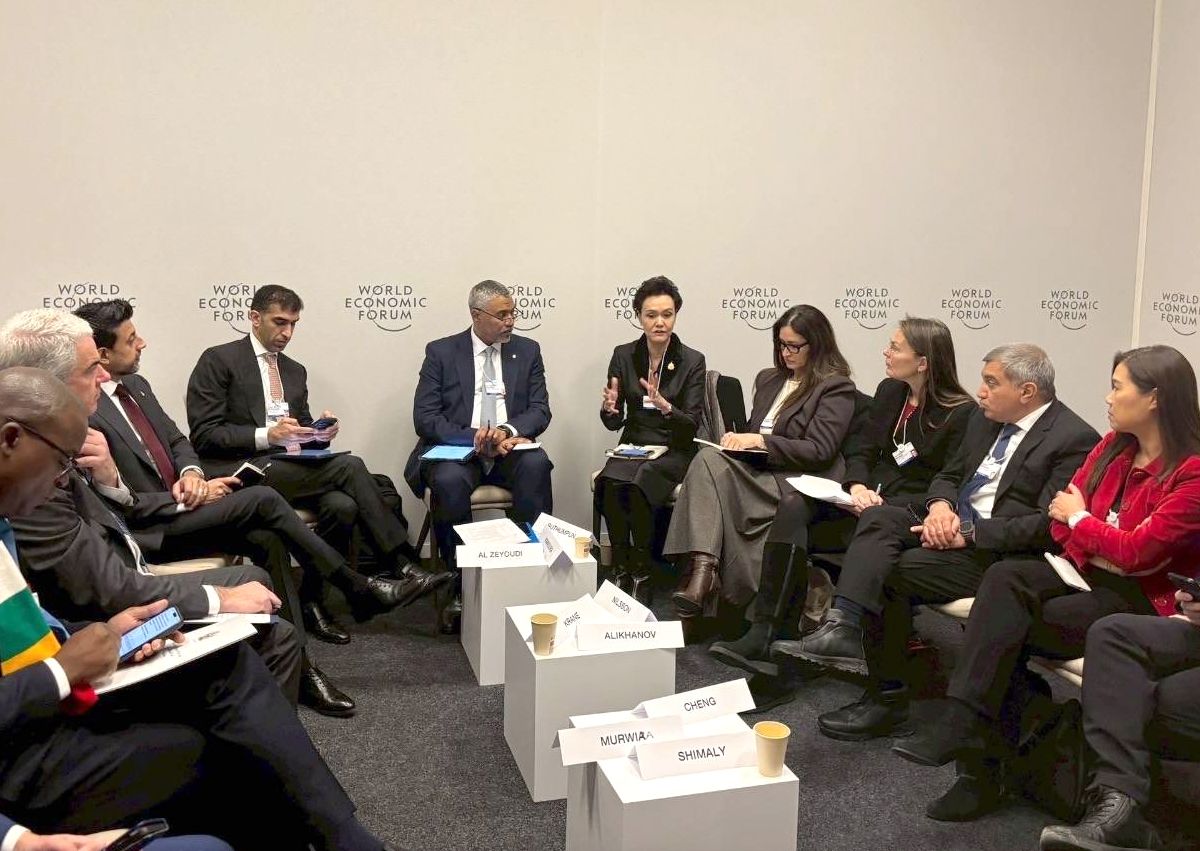
Minister of Commerce Suphajee Suthumpun brought Thailand’s trade vision to a high-level session titled “Recoding Trade” at Kurpark Village in Davos-Klosters. The closed-door format was designed for frank dialogue among ministers, global executives, and international organisations including trade ministers from Canada, the UAE, Ukraine and Zimbabwe, plus leaders from the World Customs Organization and the OECD.
Thailand’s contribution centred on ASEAN’s bid to shape a modern, interoperable trade and data framework—through the ASEAN Digital Economy Framework Agreement (DEFA), which Thailand has chaired negotiations for since 2023. Suphajee framed DEFA as a regional platform that can accelerate digital trade and investment, widen participation in the digital economy, support SMEs, and strengthen digital governance—while aligning digital progress with sustainability and green growth.
In practical terms, she pointed to shared digital standards, skills development, innovation support, consumer protection, and the lowering of trade costs—building an environment where businesses of all sizes can compete and collaborate more easily across borders.
From data to collective action: Thailand’s foreign policy in a digital era
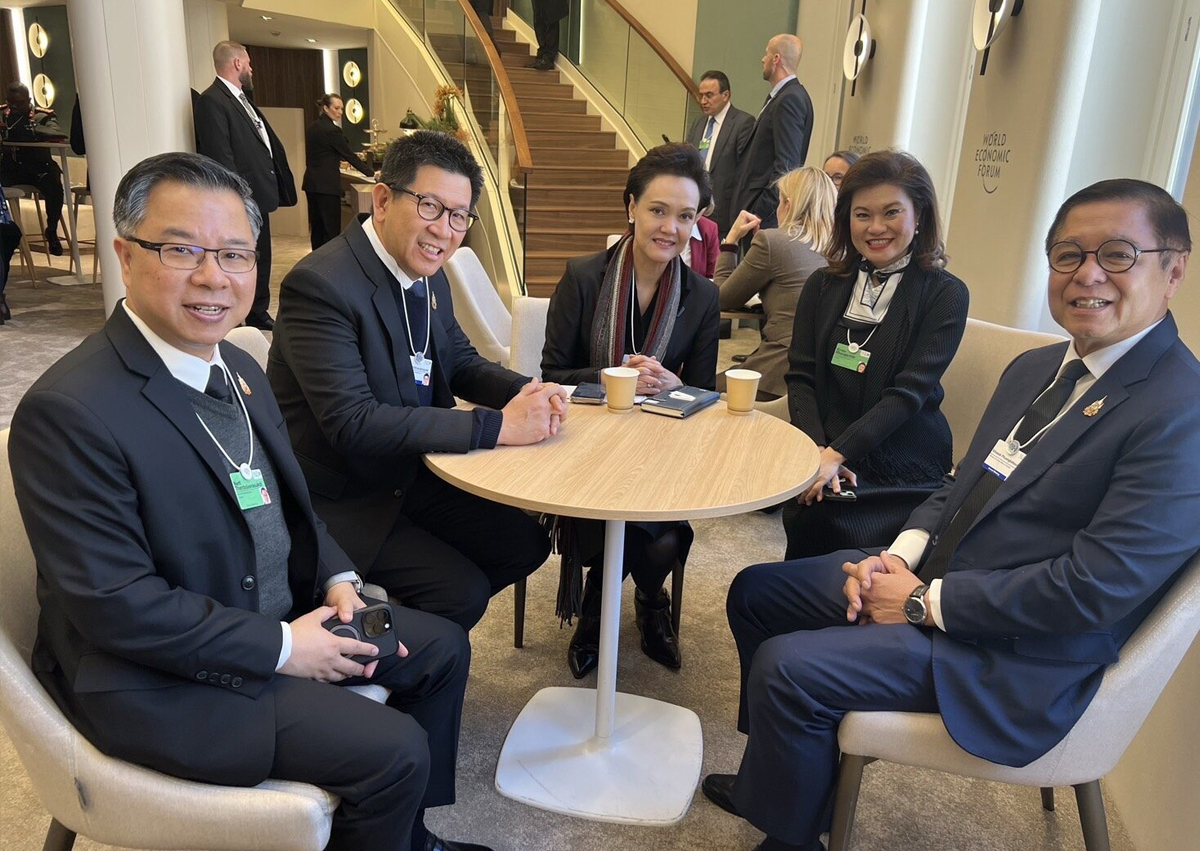
Minister of Foreign Affairs Sihasak Phuangketkeow joined a strategy session titled “From Data to Collective Action Against Forced Labour”. His remarks emphasised a practical four-part approach: Prevention, Protection, Enforcement and Partnership—with a standout emphasis on data-driven partnerships.
He underlined the value of real-time, cross-border, cross-sector data exchange to strengthen transparency and accountability, citing Thailand’s progress in supply-chain technology in the fishery sector and its recognition within the Global Data Partnership Against Forced Labour as a “proof of concept” example. He also highlighted the importance of regional and international networks working closely together to strengthen human security and economic confidence in the digital age.
The takeaway: a confident Thailand, a clear direction
By the time WEF 2026 wrapped, Team Thailand’s message was coherent: Thailand is building partnerships that connect digital investment, better jobs, stronger SMEs, and people-centred development. Ekniti summed up outcomes in three parts: reinforcing Thailand’s image among global leaders as a capable country with clear direction; engaging major global companies to advance tangible investment, business opportunities, and upskilling; and building momentum towards Bangkok’s role as host of the IMF-World Bank Annual Meetings 2026—an ASEAN leadership moment on a truly global stage.
At WEF 2026, Thailand didn’t just attend. It positioned itself confidently on the map of the future.