Thailand’s New Horizons: Bangkok Steps onto the Global Finance Stage as Host of the 2026 IMF-World Bank Meetings
Thailand will host the 2026 IMF-World Bank Group Annual Meetings in Bangkok on 12-18 October, bringing finance ministers and central bank governors from 191 countries. Under the theme “Thailand’s New Horizons”, the country aims to showcase people-centred growth, safe digital finance and world-class readiness.
Bangkok is getting ready for a global moment. From 12-18 October 2026, Thailand will host the Annual Meetings of the Boards of Governors of the International Monetary Fund (IMF) and the World Bank Group—a week that will bring finance ministers, central bank governors and delegates from 191 countries to the Thai capital. Thailand last hosted the meetings in 1991, and this return to the calendar is being framed not as a reprise, but as a confident step into a new era.
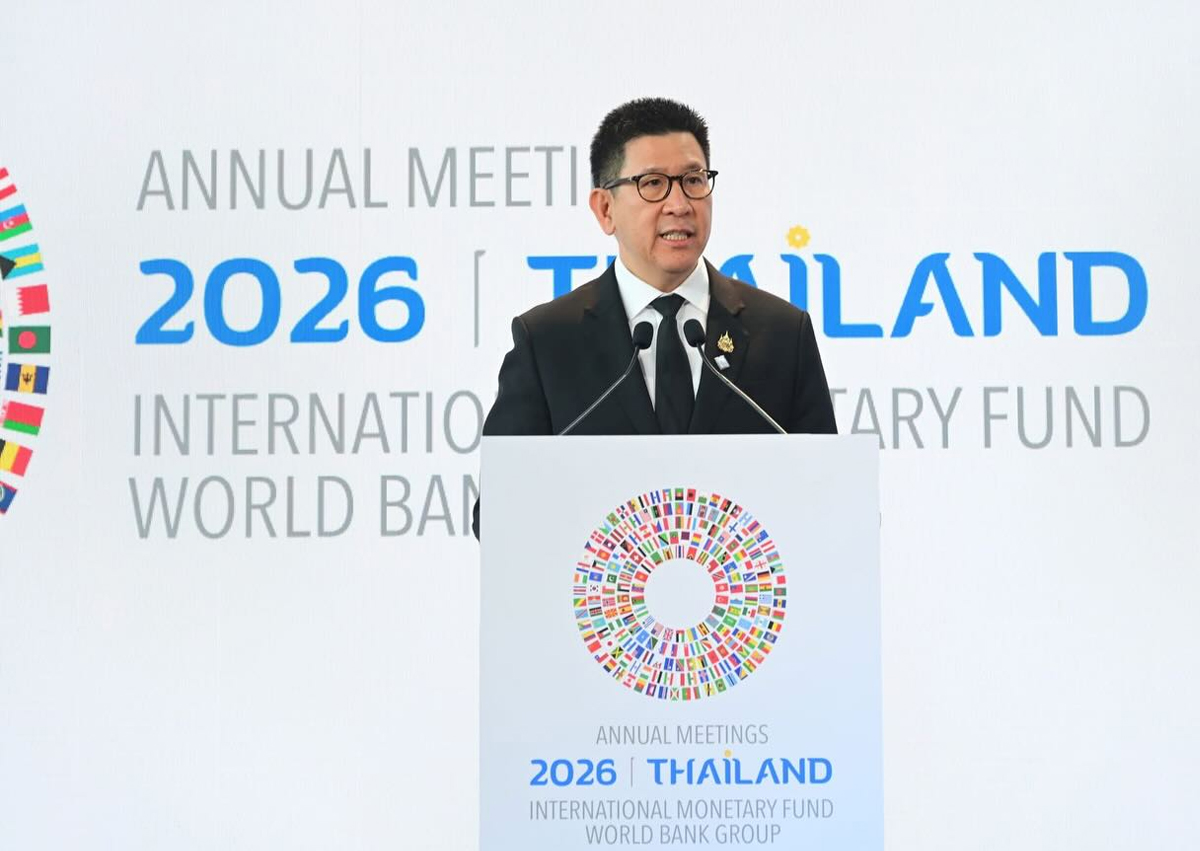
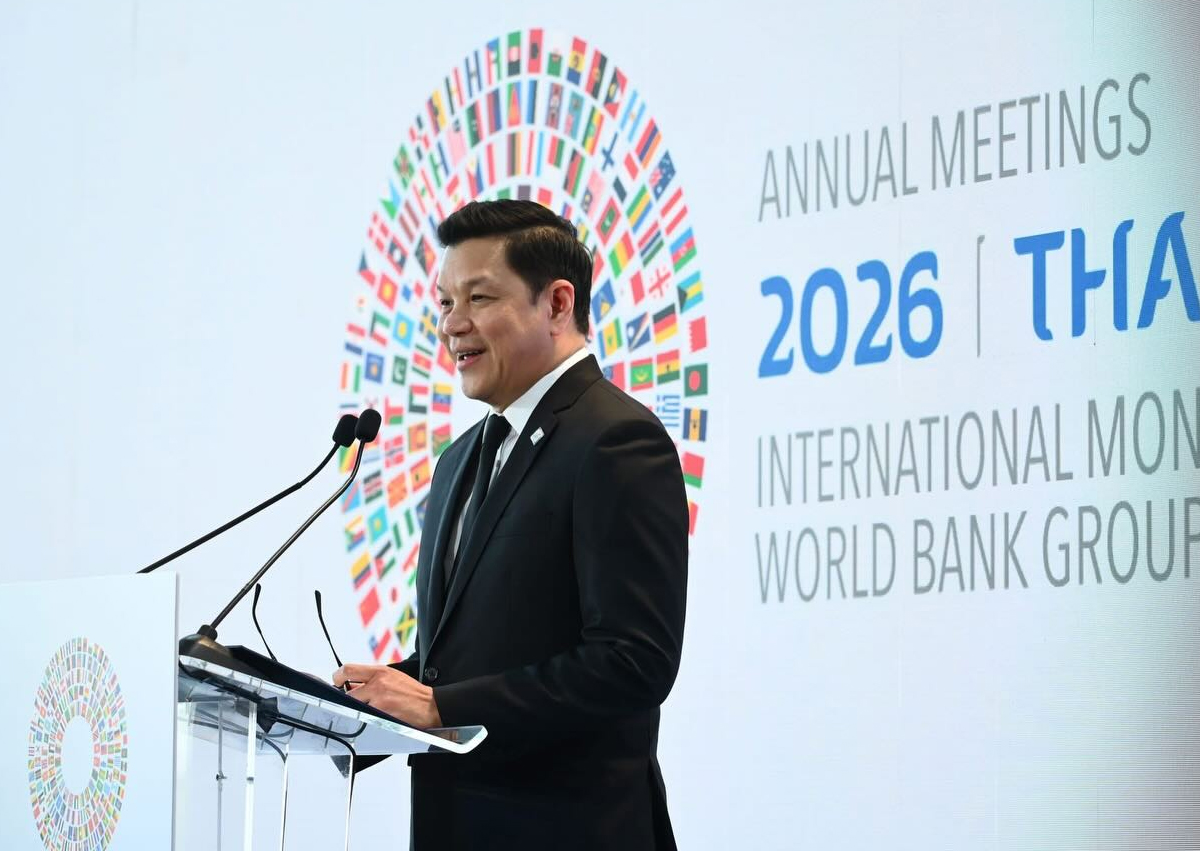
During the launch event on 27 January 2026, Deputy Prime Minister and Minister of Finance Ekniti Nitithanprapas revealed that Thailand’s host-country theme is “Thailand’s New Horizons”, with an emphasis on building an economy that is people-centred and resilient, and on positioning Thailand as an engaged, constructive player on the global financial stage.
A national showcase, not just a conference
In Ekniti’s telling, “new horizons” means empowering people and building resilience—growth measured not only by numbers, but by the strength of foundations at home. He said Thailand’s approach is shaped by His Majesty the King’s emphasis on human development, and by the Sufficiency Economy Philosophy of His Majesty King Bhumibol Adulyadej (Rama IX), which highlights preparedness and long-term stability.
Thailand has also been taking the message abroad. Ekniti said he introduced the theme at the World Economic Forum in Davos under the banner “Road to Bangkok”, drawing strong interest. With an estimated 15,000-20,000 participants, the meetings will be a major lift for Bangkok’s visitor economy, while also serving as a long-run signal to investors that Thailand has the infrastructure and organisational capacity to host at the highest level.
Crucially, Ekniti stressed that this is not a job for government or the central bank alone. The private sector is being invited in as a co-host, with early discussions already under way with the Joint Standing Committee on Commerce, Industry and Banking (JSCCIB). The idea is to let Thailand’s innovation, services and hospitality show up not as side notes, but as part of the main programme—while also creating space for policy suggestions so the meetings reflect voices across sectors.
Banking on trust: “safe digital finance”
If the Finance Ministry is setting the stage, the Bank of Thailand is shaping one of the headline conversations. Vitai Ratanakorn, Governor of the Bank of Thailand, said the central bank will advance the concept of “Safe and Inclusive Digital Finance for Financial Wellbeing”, strengthening resilience so the financial system is safe, stable and accessible, alongside safeguarding macroeconomic stability.
His framework rests on three pillars: reducing digital fraud threats, strengthening cyber security, and building readiness across the digital ecosystem so financial wellbeing improves for all groups. Vitai cited estimates that digital fraud and cyber threats cause around US$1.03 trillion in economic damage each year, with more than two-thirds of losses occurring in Asia. Thailand’s ambition is to turn a shared challenge into shared progress by working with the IMF and the World Bank to exchange policy lessons, protect consumers and maintain confidence in financial systems.
The meetings, he said, can also become a platform for member countries to share knowledge and develop a practical “blueprint” for robust, safe and inclusive digital finance—while Thailand uses the occasion to present its economy, society and culture as a bridge connecting Thailand with the wider world.
A city ready to welcome the world
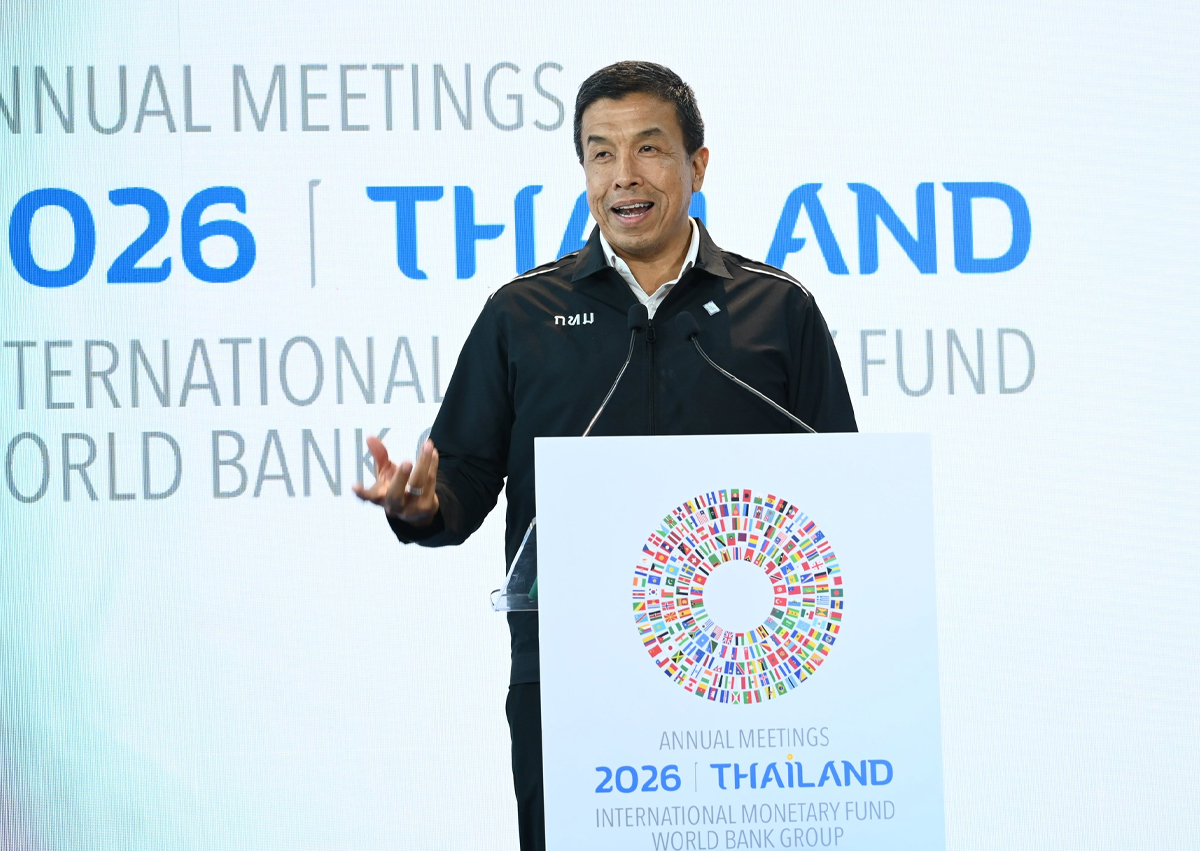
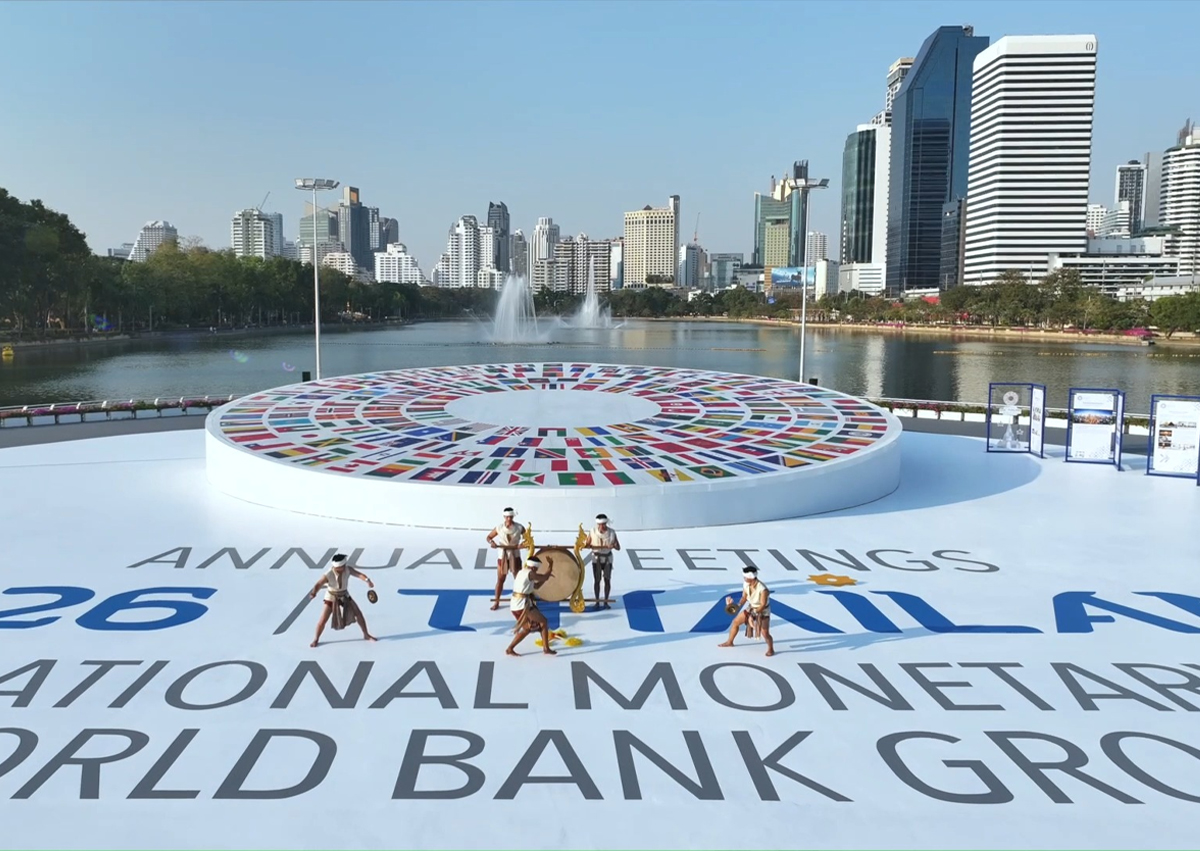
Bangkok Governor Chadchart Sittipunt said he was proud the city will host a global-level gathering, pointing to readiness across transport, infrastructure, safety and public health—and, just as importantly, what he called “the power of the people” and Thailand’s warm hospitality. Hosting, he noted, is a chance for Bangkok to shine and to underline ambitions beyond tourism: a city that can be a centre for fiscal and economic activity, and a magnet for talent.
Why the IMF and World Bank matter, and why Bangkok matters now
The IMF and World Bank were founded after the Second World War, when 44 countries met at Bretton Woods in the United States. Their missions differ but complement each other: the IMF focuses on fiscal and financial stability and risk monitoring, while the World Bank provides long-term development financing for infrastructure such as electricity systems, water supply, roads and hospitals. Member countries contribute reserves as a “quota”, shaping lending capacity and voting rights.
Thailand became a member in 1949, and today’s hosting is a way of stepping forward with experience and ambition. The 2026 meetings offer Thailand a rare opportunity: to welcome the global financial community, to share ideas that put people and resilience at the centre, and to show—through organisation, openness and hospitality—that Bangkok is ready for the world’s biggest economic conversations.