Thailand–Japan Collaboration Advances Clean Hydrogen from Agricultural Biomass
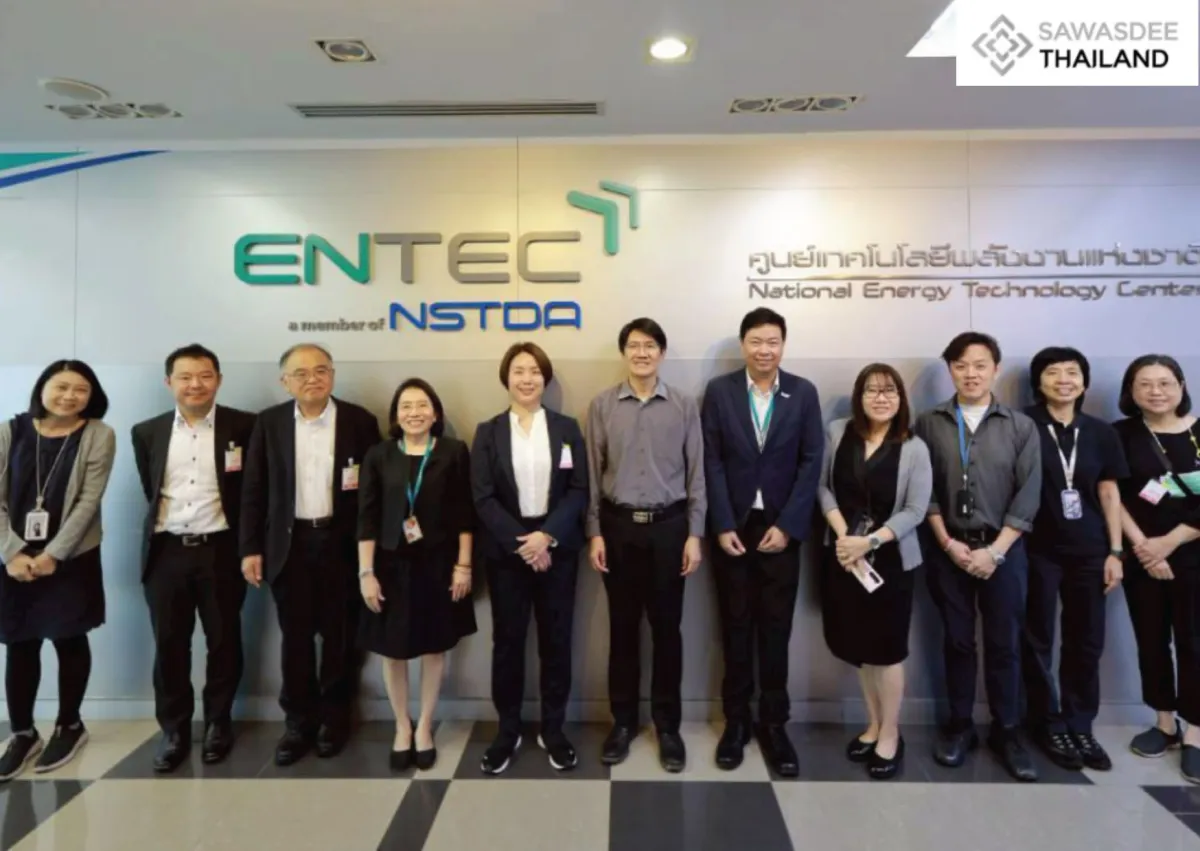
A Thailand–Japan research collaboration under the JST-NEXUS framework is advancing clean hydrogen technology by converting agricultural biomass into high-purity biohydrogen for future energy use. The initiative brings together Thai research agencies and universities with Japanese academic partners to develop prototype technologies and explore pathways toward industrial-scale hydrogen production, aligned with national decarbonization goals.
The project focuses on producing hydrogen from agricultural materials, particularly cassava, using dark fermentation combined with an AI-optimized synthetic microbial consortium. This is further
enhanced by photobiocatalyst technology that integrates titanium dioxide and hydrogenase enzymes to accelerate enzymatic reactions under light, improving hydrogen yield and purity. The resulting
hydrogen is designed for application in fuel cells, including those used in hydrogen-powered
vehicles.
By valorizing agricultural residues, the initiative aims to reduce bio-waste, lower production costs of clean hydrogen, and strengthen energy security. The work supports Thailand’s BCG economic
strategy, promotes low-carbon energy solutions, and represents a significant step towa d scalable, sustainable hydrogen production for the country’s clean energy future.