From Commodity to Craft: Thailand's Strategy on "Exquisite Rice"
For decades, Thailand has been a titan of the global rice market, synonymous with vast volumes of exports. Now, the nation is embarking on a radical strategic shift, moving from a business model built on quantity to one driven by value. At the heart of th
This pivot is not merely a marketing exercise; it is a direct response to evolving global consumer demands and a high-stakes bid to secure a future where farmers can earn five to ten times more for their crops.
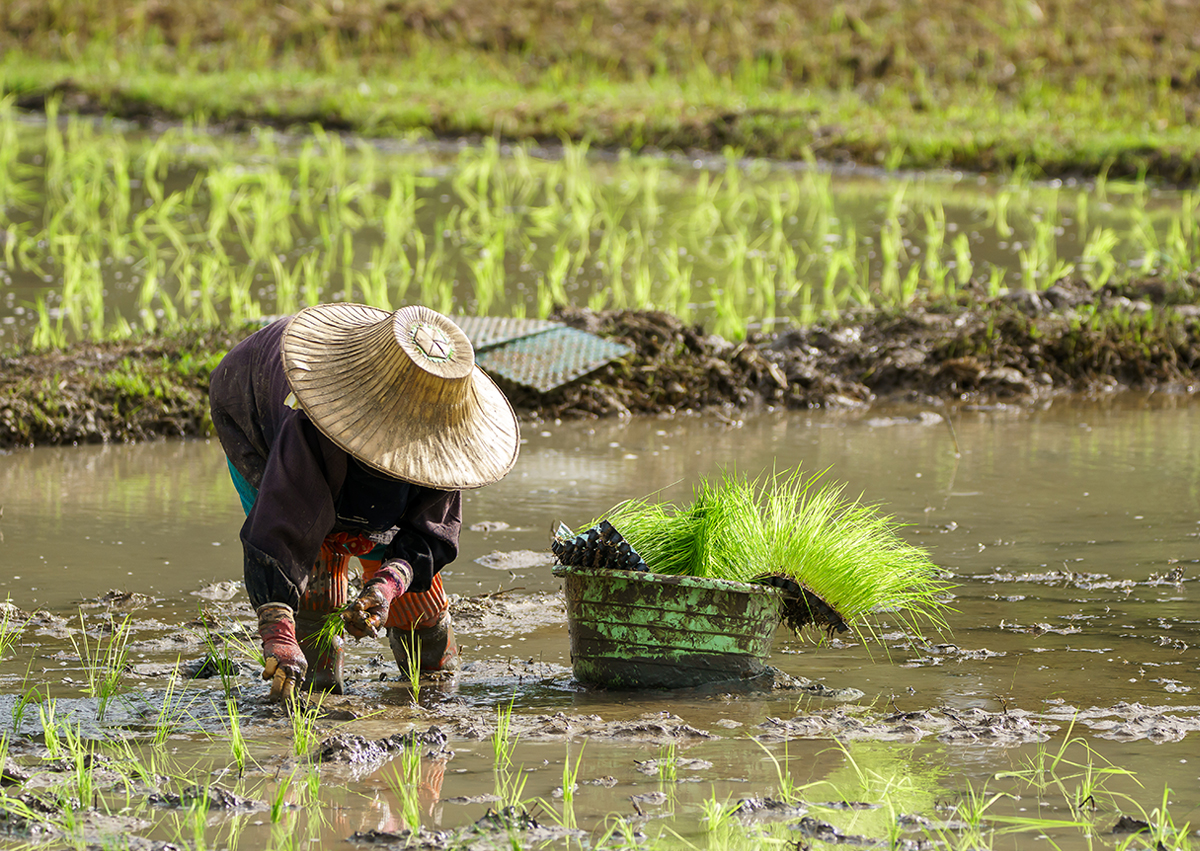
Thailand’s long-standing dominance through volume alone is no longer sustainable. While producing over 20 million tonnes annually, the country’s average yield of 600-700 kg per rai is dwarfed by competitors like Vietnam, which achieves around 1,200 kg per rai. This productivity gap makes competing on price a losing battle.
Because Thailand cannot win on volume, it is forced to pivot to a value-based model where its unique genetic biodiversity, with over 5,000 indigenous strains, becomes its primary competitive advantage. As Commerce Minister Supajee Suthumpan stated, the market has fundamentally changed. “Consumers no longer choose rice simply by habit; they prioritise taste, origin, the producer’s story, and comprehensive consumption information.” This new reality has compelled a strategy built around an initial 200 model farmer groups, drawn from a national database of over 700 producers.
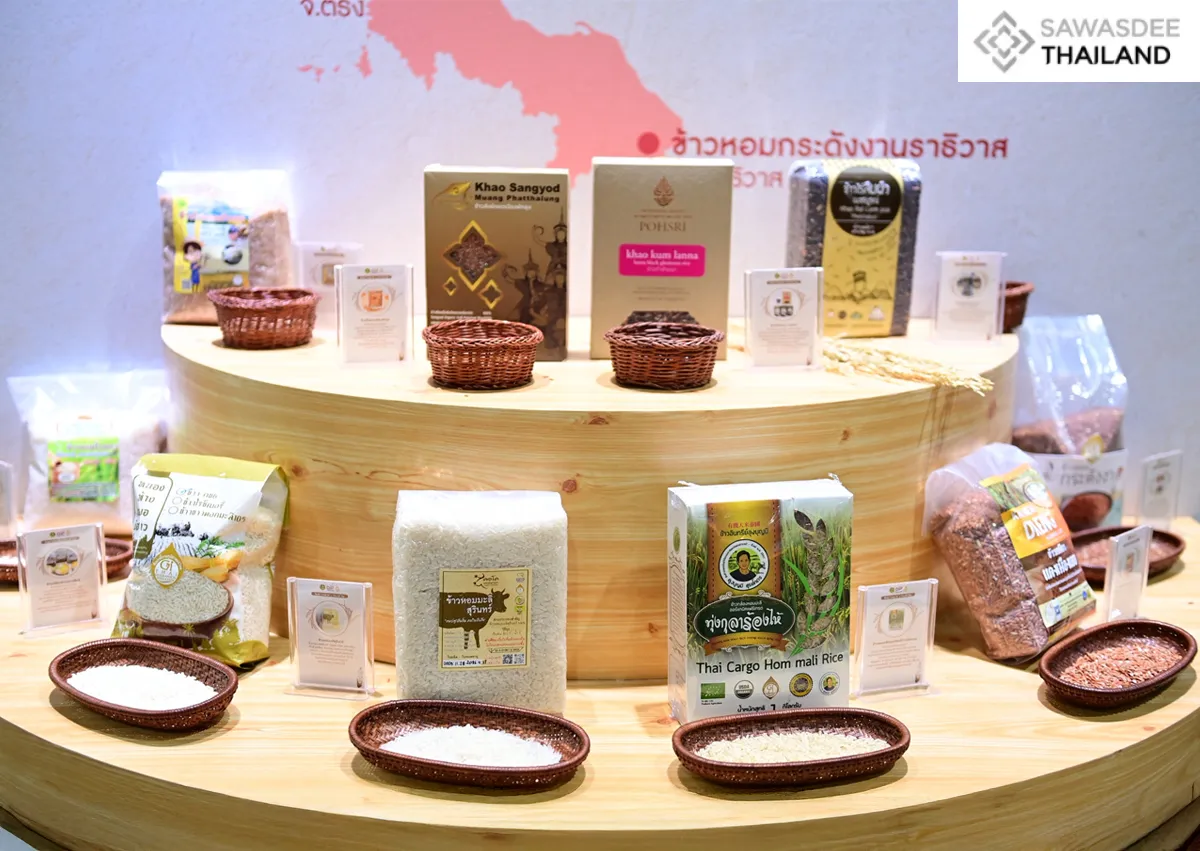
"Khao Praneat" is the centrepiece of this new national identity, establishing a benchmark for premium quality. The concept is built on three core pillars. It begins with exceptional varieties, focusing on high-quality strains like pure Khao Hom Mali and Khao Hom Pathum, alongside rare indigenous types such as Khao Leum Pua and Khao Rai Dok Kha. This is supported by meticulous cultivation, which emphasises specific geographical indications (GI), full traceability, and safe production standards like GAP and Organic. Finally, artisanal processing ensures post-harvest excellence through slow milling to preserve aroma, selecting grains with very few broken pieces, and maintaining a standard moisture level for optimal cooking. The goal, as articulated by Minister Supajee and Nop Dharmavanich, co-founder of Rice Hub, is to encourage global buyers to select Thai rice with the same care they would afford specialty coffee or fine wine.
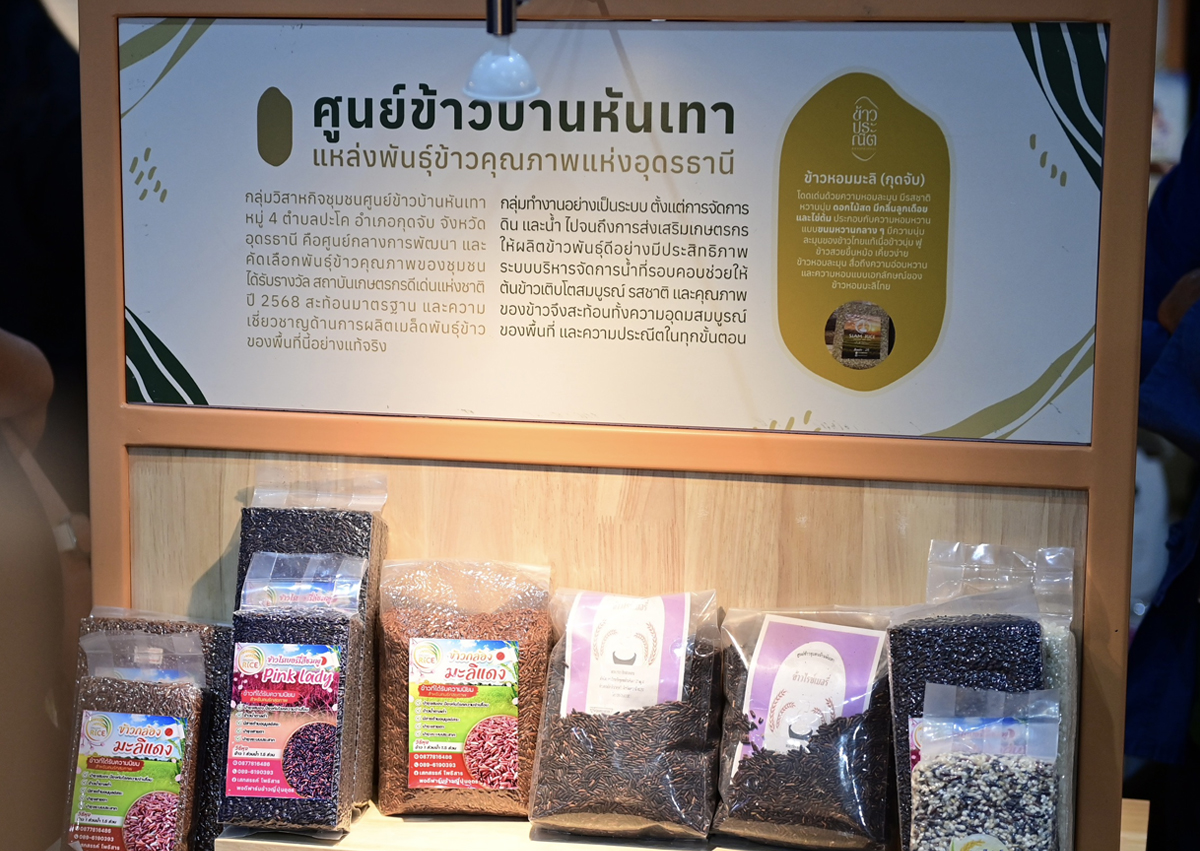
The success of this strategy hinges on building trust through two interlinked components: compelling narrative and verifiable proof. Storytelling creates the emotional desire for a premium product. By highlighting geographical indications like the renowned Khao Hom Mali Thung Kula Rong-Hai, the strategy transforms a simple grain into a product with a rich cultural context.
But desire alone does not command a premium price; that requires the rational trust provided by data. “Data is the heart of the New Rice Economy,” explained Atthapon Chaianun, president of the Thai Digital Education Association (TDeD). “If the rice is good but lacks supporting data, it cannot be sold at the price it should be.”
A central database with QR-code traceability empowers buyers to verify a product's origin and quality, ensuring farmers are compensated fairly for their superior crops rather than having them devalued by ‘general averaging’—a practice where high-quality grains are priced the same as bulk commodity rice.
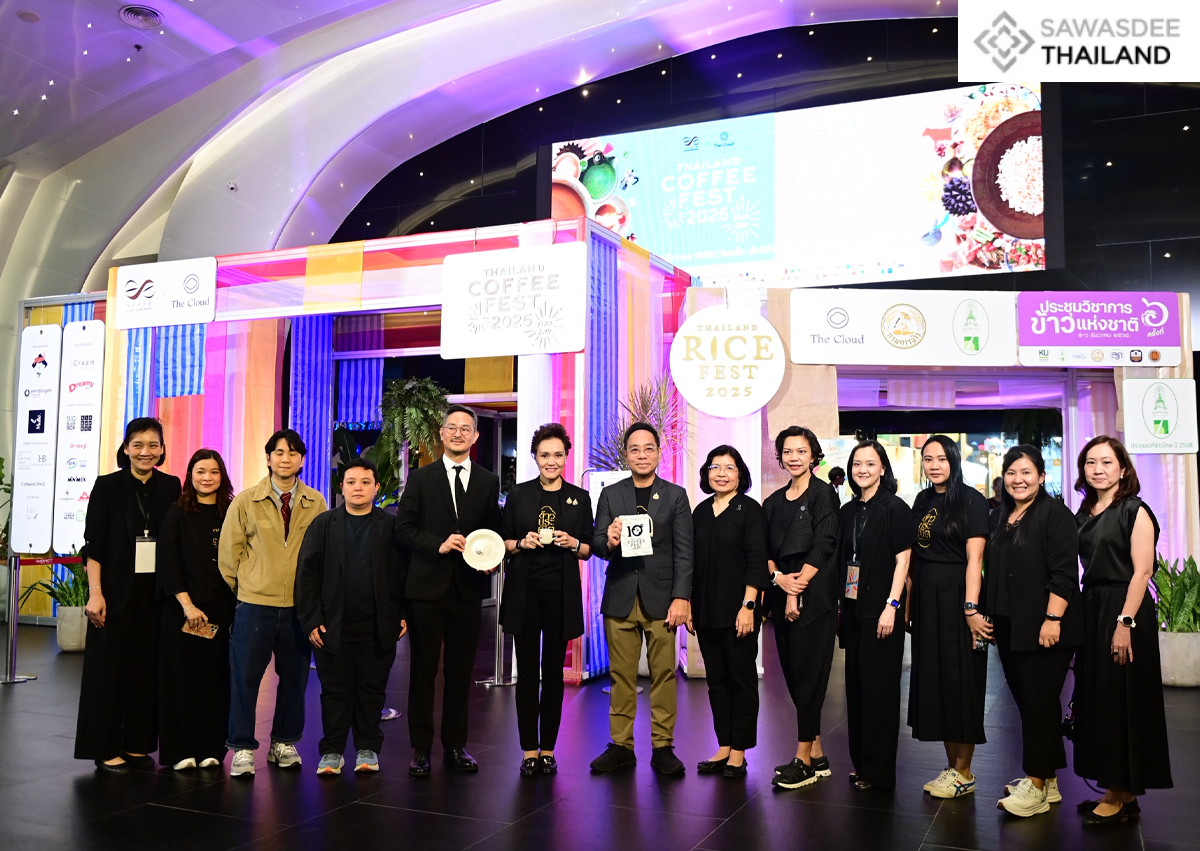
This ambitious strategy is already yielding tangible results. At the recent Thailand Rice Fest 2025, the initiative secured its first major victory: a 16-million-baht export deal for an initial 450 tonnes of specialty rice. This transaction validates the international appetite for high-value, story-rich agricultural products from Thailand, marking a crucial first step toward the ultimate goal.
By transforming its rice from a low-price commodity into a respected artisanal product, Thailand aims not only to elevate its national culinary brand but also to secure a more profitable and sustainable future for its farmers on the world stage.