“Biotech Rice 1”: Thailand’s New High-Yield, Brown Planthopper–Resistant Rice Moves Toward Low-Carbon Cultivation
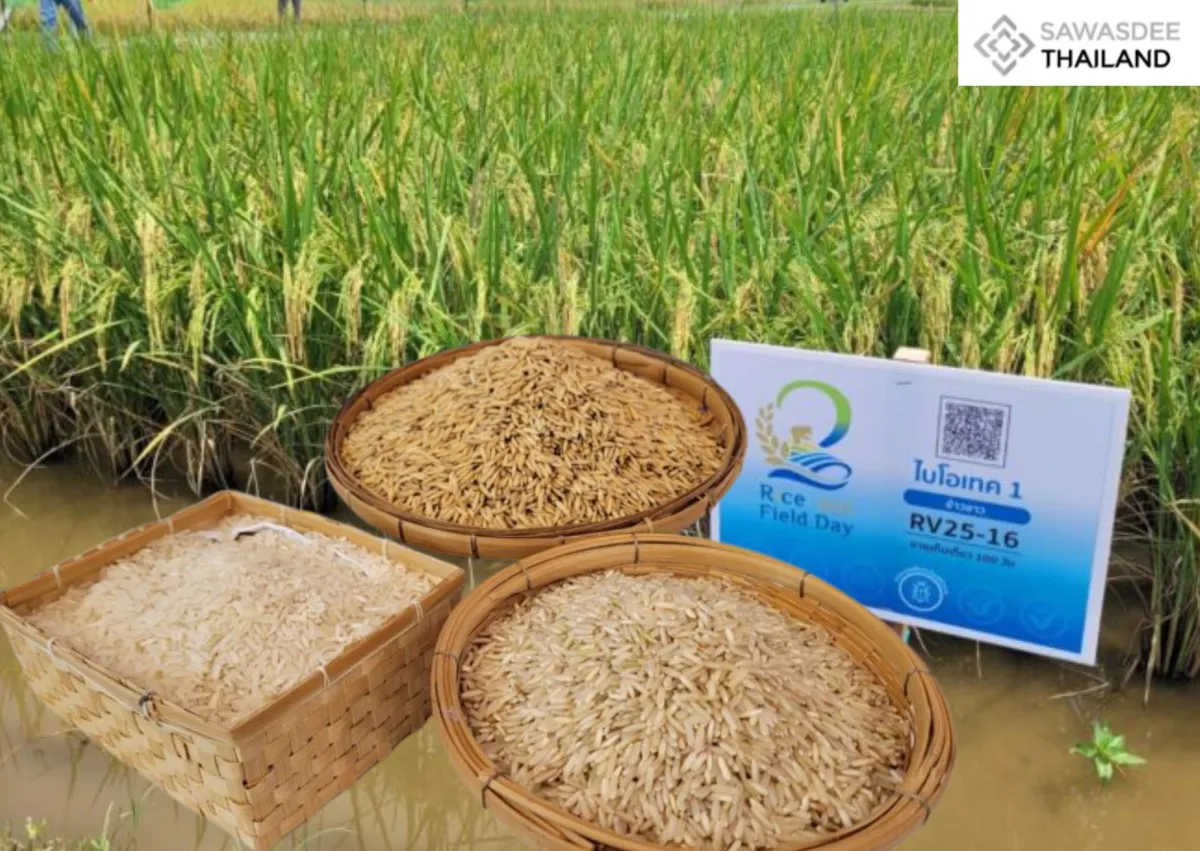
Thailand’s rice sector is facing intensifying challenges from climate volatility, pest outbreaks, and growing pressure to shift toward low-carbon food production. “Biotech Rice 1,” a newly developed non-photoperiod rice variety, was created to address these issues with stronger stems, resistance to brown planthoppers, and a short 90-day growth cycle. Field trials show an average yield of 800–1,000 kg per rai, significantly higher than many conventional varieties, and it has already been officially registered for planting nationwide.
In pilot farms located in areas with severe brown planthopper outbreaks, the variety demonstrated exceptional resilience, producing up to 1,530 kg per rai—well above the local average. This performance highlights its potential to stabilize yields in climate-stressed environments and reduce farmers’ reliance on chemical pest control, ultimately lowering production risks and costs.
Alongside breeding efforts, researchers are promoting a low-carbon rice production model that includes alternate wetting and drying (AWD), soil-based fertilizer management, and the elimination of crop residue burning. These practices have reduced methane emissions by more than 30%, and trials with Biotech Rice 1 show reductions of up to 48%. The initiative aims to provide scientifically validated carbon footprint data and develop future rice varieties aligned with global demand for sustainable, environmentally friendly agricultural products.