Thailand's Border Crisis Assistance: Navigating the Economic Aftermath of the Cambodian Clashes
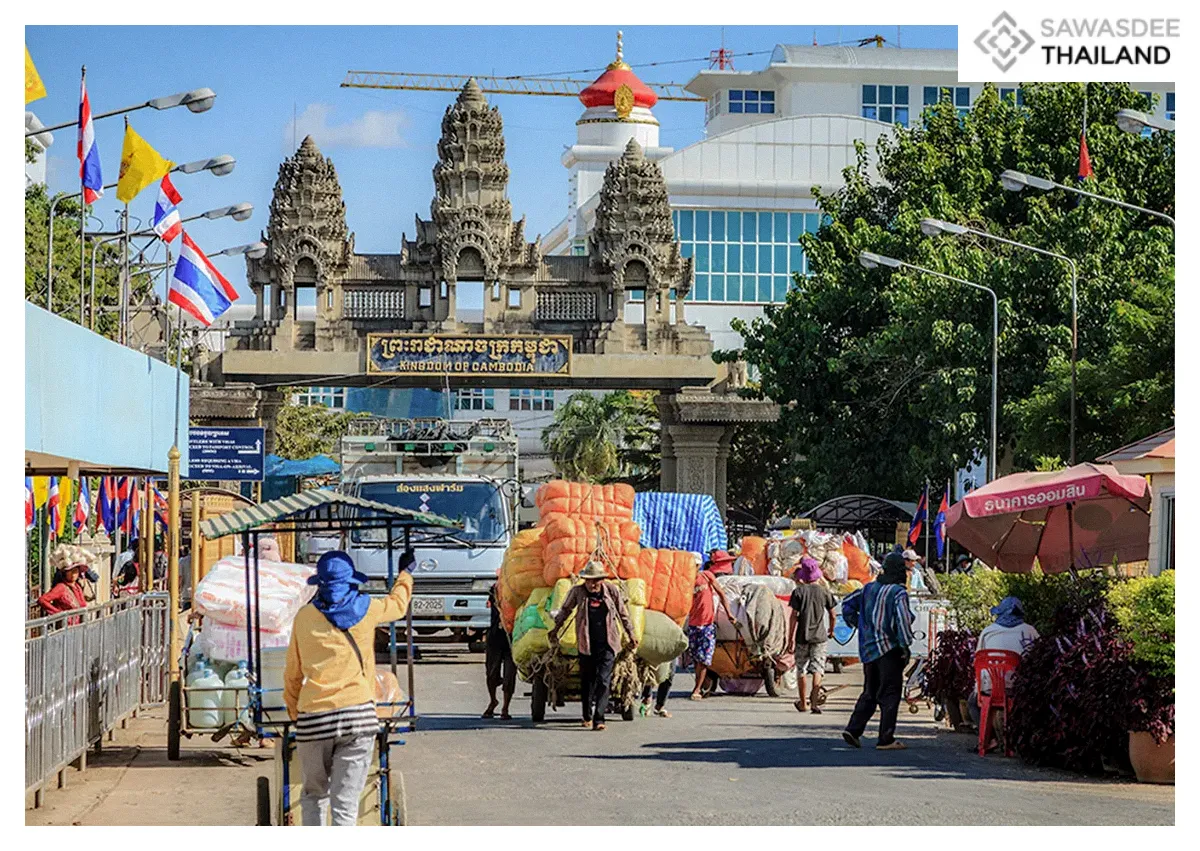
Thailand's government rolls out financial aid and businesses adapt supply chains to survive the economic fallout from the Thai-Cambodian border conflict.
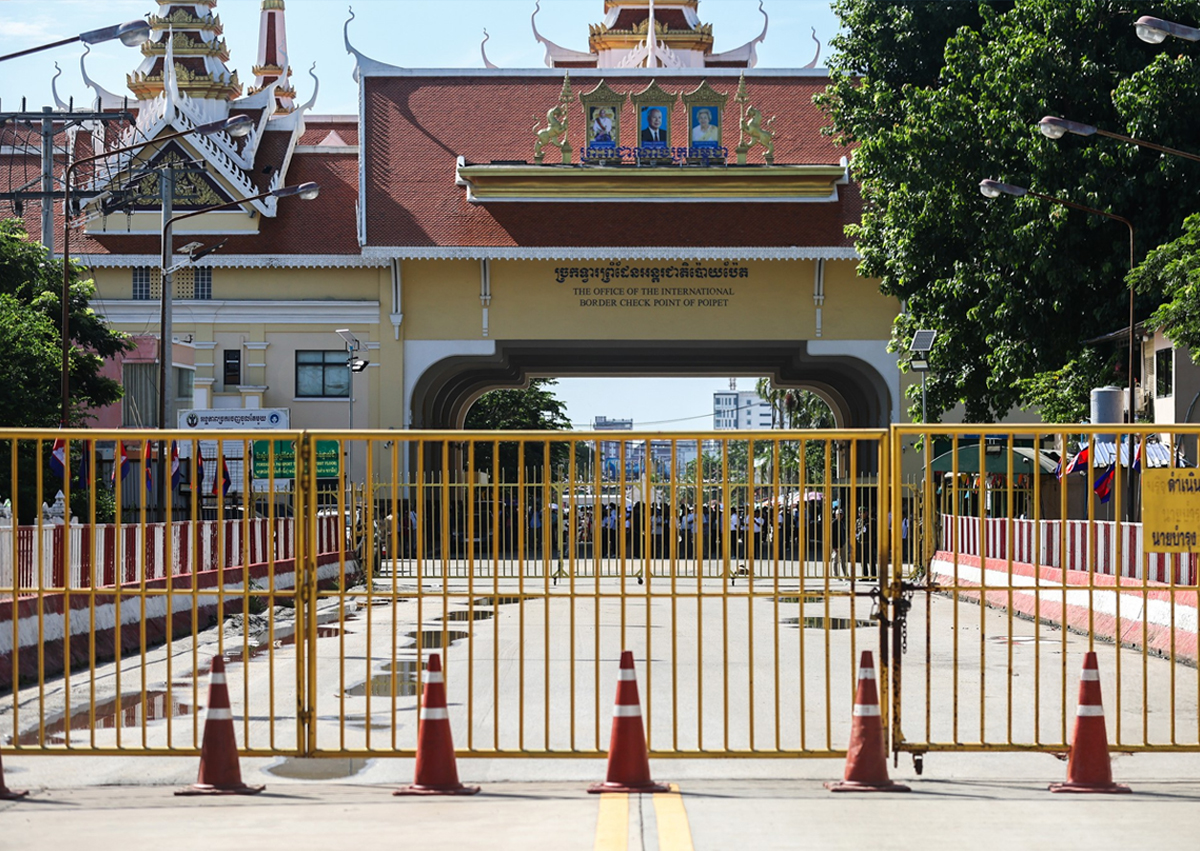
The 2025 border clashes between Thailand and Cambodia exacted a severe toll, affecting thousands of residents across seven Thai provinces and bringing cross-border commerce to a complete standstill. Amid evolving circumstances, the Thai government took proactive steps to support and stabilize the border economy.
A Lifeline for Affected Communities
Providing immediate financial aid was a strategic first step towards maintaining social stability amidst the acute humanitarian needs of evacuated communities. The Thai Cabinet approved a compensation scheme with a budget framework of 2.33 billion baht, targeting 467,128 households in the seven affected border provinces. The programme features a two-tier payment system: households evacuated for eight days or more receive 5,000 baht, while those affected for up to seven days receive 2,000 baht.
This direct financial aid was part of a broader emergency response that included mobilising mobile medical units and securing essential supplies for temporary shelters. But shoring up household stability was only half the battle; the government simultaneously faced the monumental task of rescuing a border economy that had become a critical cog in global supply chains.
Rescuing Border Commerce and Forging New Paths
The situation underscored the importance of reinforcing cross-border production networks connecting Thailand’s manufacturing base, prompting adaptive measures across industries such as data storage, automotive and textiles.
In response to these systemic vulnerabilities, the Commerce Ministry rolled out a multi-pronged strategy. It organised cross-border trade fairs to redirect goods to Laos, Myanmar, Malaysia, and China, while simultaneously promoting domestic campaigns like the "Thai-made, Thai-used, Thai-helping-Thai" initiative to absorb the shock. To support business continuity, state-owned financial institutions implemented liquidity-support measures to ease financial pressures, including:
- Debt Moratoriums: Offering deferments on principal payments to ease immediate financial pressure.
- Emergency Loans: Providing low-interest loans for farmers and SMEs to cover urgent expenses and fund rehabilitation efforts.
- Liquidity Support: Increasing credit lines for exporters and extending debt repayment periods to help businesses remain operational.
Building Resilience on a Fragile Frontier
In the wake of the crisis, Thai business operators have demonstrated remarkable adaptability. Many have begun utilising alternative logistics routes, such as waterways or transiting goods through Laos, to circumvent border closures. Although these detours increased logistics costs by more than 30 per cent and extended transportation times by two to four days, they represent a determined effort to maintain commercial activity. This private-sector resilience, combined with comprehensive government intervention, signifies a concerted attempt to build a more robust economic foundation in a region defined by geopolitical fragility.