Thailand Leads ASEAN to Conclude Landmark Digital Economy Agreement, Paving Way for Global Digital Hub
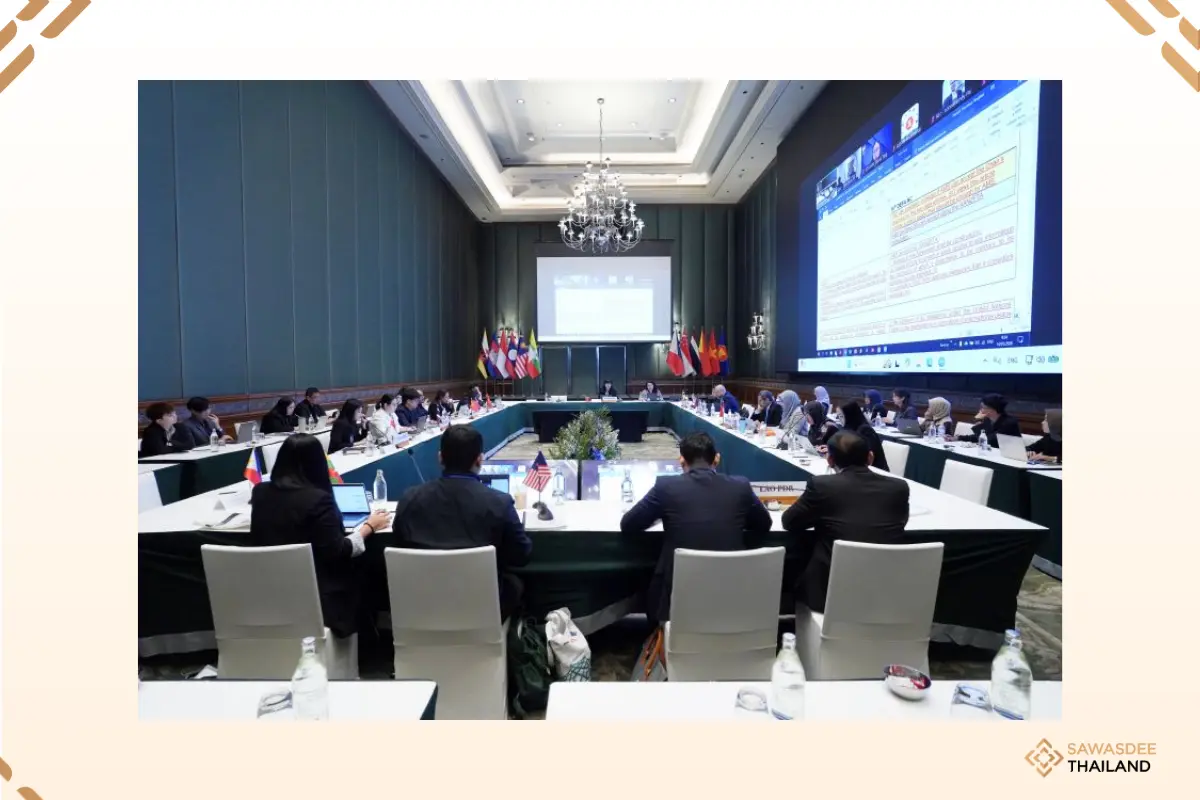
Thailand has successfully led ASEAN member states to conclude negotiations on the ASEAN Digital Economy Framework Agreement (DEFA), marking a major milestone in the region’s digital transformation agenda. Deputy Prime Minister and Commerce Minister Suphajee Suthumpun announced that the agreement was finalized during the 57th Senior Economic Officials Meeting (SEOM 2/57) held in Manila, the Philippines, from 27–29 May 2026.
As Chair of the DEFA Negotiating Committee, Thailand played a central role in coordinating positions among ASEAN members and steering complex negotiations toward consensus. The agreement will now undergo legal scrubbing before its formal signing at the ASEAN Summit in November 2026.
Suphajee said the successful conclusion of DEFA reflects both Thailand’s leadership in regional economic affairs and ASEAN’s ability to establish high-standard digital economic rules that respond to rapid global changes while strengthening international confidence in the region’s digital trade and investment environment.
She emphasized that DEFA is more than a digital economy agreement; it is a new framework designed to improve cross-border digital trade and investment, reduce business costs, and enhance efficiency through greater interoperability among ASEAN digital systems. The agreement is expected to create significant opportunities for micro, small, and medium-sized enterprises (MSMEs) by improving access to markets, technology, and innovation.
DEFA also promotes cybersecurity cooperation, consumer protection, anti-online fraud measures, and readiness for emerging technologies such as artificial intelligence. As the world’s first regional digital economy agreement negotiated among ASEAN countries, DEFA is projected to help expand ASEAN’s digital economy to US$2 trillion by 2030, strengthening the bloc’s position as a connected, inclusive, and sustainable global digital economy hub.