Thailand 2026: Adapt with AI or Be Left Behind
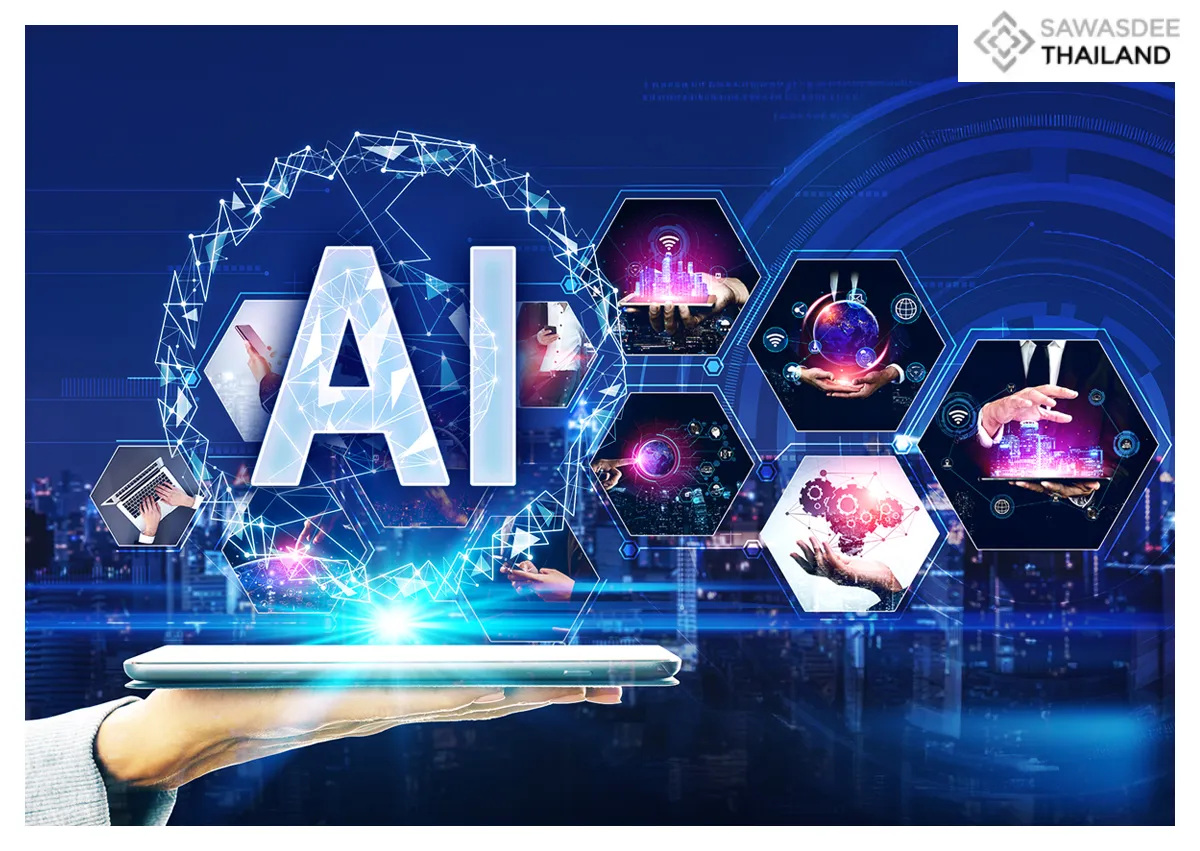
By 2026, AI is no longer hype but a necessity. Thai businesses must adopt agentic AI, upskill, and collaborate to compete globally or risk being left behind.
The year 2026 marks a watershed moment for artificial intelligence. Across the Asia-Pacific region, expert consensus shows AI is rapidly transitioning from an experimental technology into a concrete profit engine. For businesses, it is no longer a tool for incremental efficiency gains but the core determinant of competitive advantage. This technological shift, fraught with immense financial risk and concerns of a potential "AI bubble", presents a stark, make-or-break opportunity for Thai businesses: embrace AI with purpose to compete on the global stage, or risk being rendered obsolete.

The New Reality: Digitalisation is Not a Choice
Thailand’s economy is undergoing a profound structural shift, creating a clear and unforgiving divide between digital-first innovators and traditional businesses. The shift is so profound that many experts now argue having AI is not a strategic advantage, but a “necessary cost of survival.” A forecast from the University of the Thai Chamber of Commerce (UTCC) for 2026 paints a vivid picture of this new reality: "Rising star" sectors are those that have placed digitalisation at their core, including cloud services, cyber security, and AI. Conversely, sectors that have failed to digitise are in steep decline, including Internet cafes and print media.
The UTCC report’s message is unequivocal: survival now depends entirely on aligning business models with the dominant trend of digitalisation.

The Next Leap: From Generative to 'Agentic' AI
The most significant technological evolution for 2026 is the leap from Generative AI, which helps create content, to the far more powerful Agentic AI. This new class of artificial intelligence can independently “plan, decide, and act,” effectively creating an “Autonomous Executive” within an organisation.
The impact will be transformative across industries. In finance, it can manage complex loan underwriting, while in manufacturing, it can enable predictive automation to adjust operations in real time. It is this leap, from assistive tool to autonomous agent, that will allow businesses to create new revenue streams and achieve true differentiation in a crowded market.

The Path to Global Markets: Collaborate, Upskill, and Build Trust
For Thai businesses, the strategic adoption of AI is the primary pathway to international expansion. This journey requires a focus on three critical areas. First is strategic collaboration, exemplified by the growing Thailand-Japan partnership. This involves forging partnerships in everything from leveraging Japanese robotics for smart factories to joint ventures in healthcare tech for an ageing population.
Second is addressing the critical human element. A looming talent crisis means that a staggering 56% of the workforce will require significant reskilling by 2026 to work effectively alongside AI. Finally, as AI becomes central to operations, earning customer loyalty will demand absolute transparency. With four in five consumers poised to abandon brands that conceal their use of AI, building trust is no longer a choice but a commercial necessity.
Challenges like AI are not obstacles but “doors” to new opportunities. The path forward for Thailand is clear. In 2026, the businesses that thrive will be those that scale AI with purpose, foster collaboration, and invest in their people. They will not just survive the future—they will build it. Those that fail to adapt will be left behind.