UNDP and Krungthai Bank Launch New Partnership to Empower Communities and Protect Thailand’s Natural Capital
The United Nations Development Programme (UNDP), Krungthai Bank (KTB), and Thailand’s Ministry of Natural Resources and Environment have launched a new partnership to strengthen community-led solutions for climate resilience, biodiversity conservation, and sustainable development across the country.
The initiative marks the beginning of Phase 8 of the Global Environment Facility’s Small Grants Programme (GEF-SGP) in Thailand. Over the past three decades, the programme has supported 492 communities nationwide through grants, capacity building, knowledge transfer, and market access opportunities. The latest phase represents a significant milestone, as it is the first time the programme has received additional support from Thailand’s financial and private sectors.
Under the partnership, UNDP and Krungthai Bank will work together to develop innovative investment models that go beyond traditional grant funding. The programme will focus on four priority landscapes and seascapes: the Lower Andaman Coast, the Phetchabun Mountain Range, the Yuam-Salween River Basin, and Phetchaburi Province. These areas are recognized for their rich ecosystems and biodiversity, which contribute to Thailand’s status as one of Southeast Asia’s most biologically diverse countries.
According to UNDP’s Biodiversity Finance Initiative (BIOFIN), more than 70 percent of Thailand’s economic value depends directly on nature. Key sectors such as agriculture, forestry, and tourism, which account for nearly 30 percent of the country’s GDP, rely heavily on healthy ecosystems. However, Thailand continues to face an estimated annual biodiversity financing gap of approximately US$1 billion.
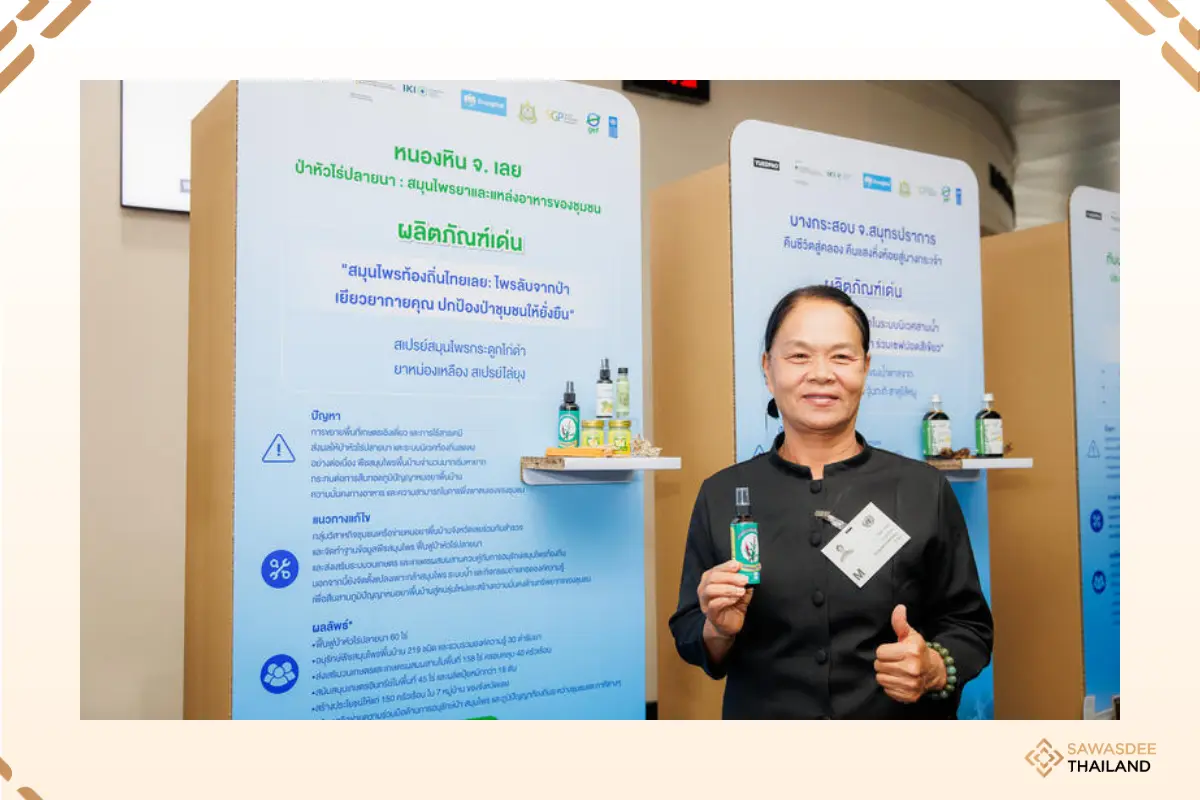
Officials emphasized that community-led conservation and climate adaptation initiatives are essential to achieving Thailand’s environmental and sustainable development goals. The partnership seeks to connect local communities with financing, technology, knowledge, and market opportunities, enabling them to transform natural resources and local wisdom into sustainable economic opportunities. A notable success story highlighted during the launch was Ban Khok Krai Community in Phang Nga Province, where support from the Small Grants Programme helped develop eco-tourism and community products based on local natural resources.
The project is expected to generate a Social Return on Investment (SROI) of 2.46 times by 2030. The new collaboration reflects a growing commitment among government agencies, international organizations, and the financial sector to promote nature-positive development, strengthen local livelihoods, and support Thailand’s transition toward a more sustainable and climate-resilient future.