Why Chinese New Year matters in Thailand: a living link in Thai–China ties

Chinese New Year is firmly woven into Thailand’s cultural calendar. Far from being a niche tradition, it has become a nationwide occasion that reflects both long-standing Sino-Thai integration and the modern Thai–China partnership that was formally established in 1975.
Chinese New Year — also known as Lunar New Year or the Spring Festival — is a 15-day celebration. It begins with the new moon that falls between 21 January and 20 February, and concludes on the following full moon.
In Thailand, it is widely marked as a major cultural moment, even though it is generally observed as an occasion of significance rather than an official public holiday.
In 2026, Chinese New Year’s Day falls on 17 February. But the festival’s meaning in Thailand goes well beyond a single date. It speaks to centuries of people-to-people contact, maritime trade, migration, and an expanding state-to-state relationship.
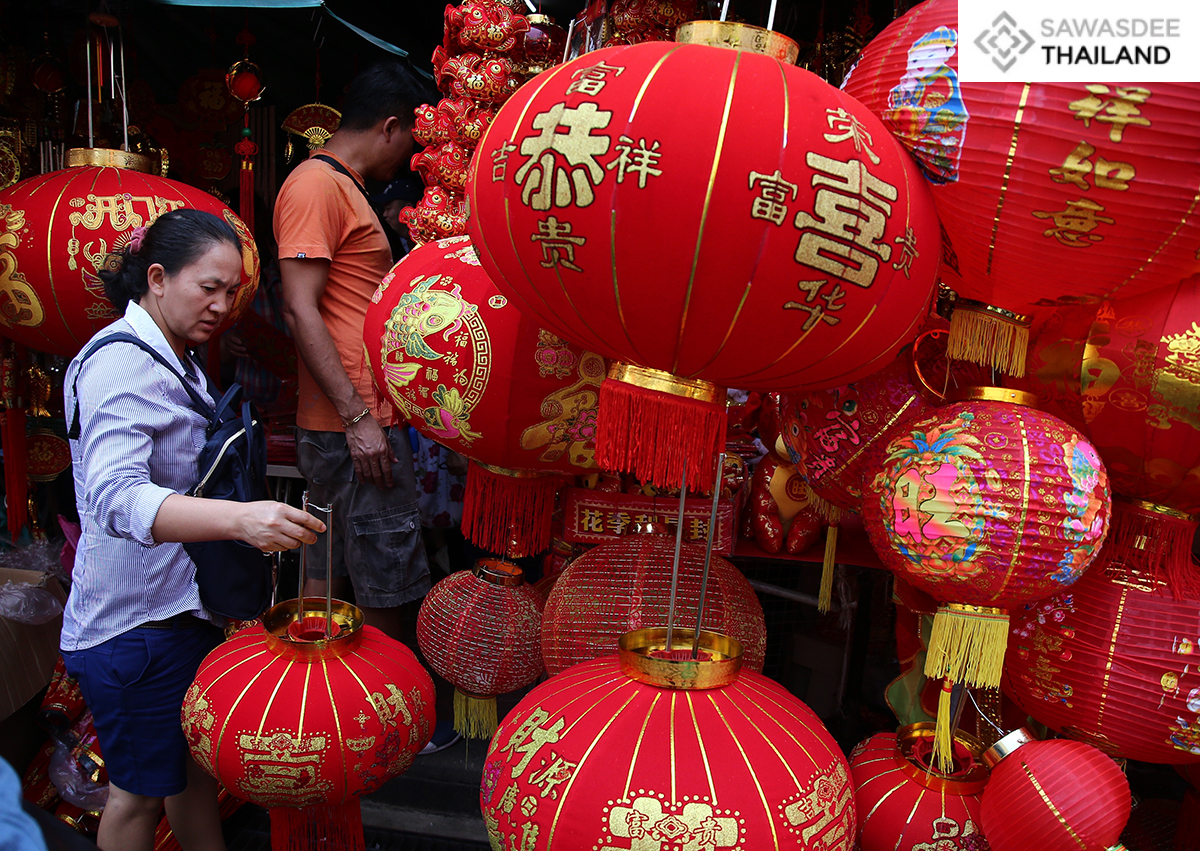
Deep roots, but limited “first record” evidence
Historians point out that long-distance maritime trade connected early polities in what is now Thailand with wider regional networks—including Chinese merchants—well before the Ayutthaya period.
What remains difficult is identifying a definitive “first Chinese New Year celebration” in Thailand. Surviving evidence from early eras tends to record trade, settlement patterns, and court life, rather than giving a clear description of the festival being observed on Thai soil.
By the Ayutthaya era, however, the broader picture becomes easier to trace. Chinese communities were increasingly established, active in commerce, and visible in Siam’s urban economy and cultural landscape.
Western accounts from the late 17th century, including those linked to French visitors to Ayutthaya, describe court entertainment and performances that included Chinese theatre among other forms.
While that does not amount to direct proof of large-scale Chinese New Year festivities, it supports the wider evidence of sustained Chinese cultural presence and exchange.
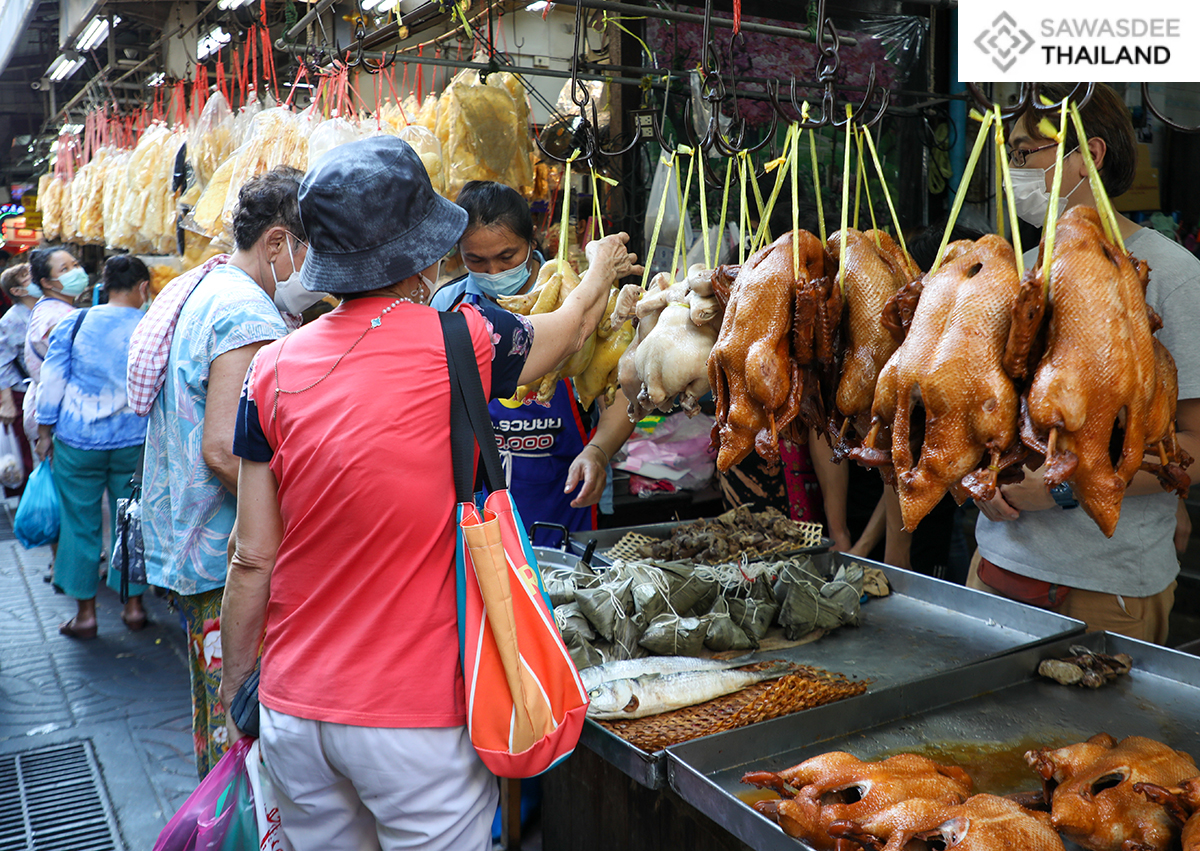
Why Chinese New Year is important to Thailand today
Chinese New Year matters in Thailand for three closely connected reasons: culture, diplomacy, and the economy.
A shared culture in everyday Thai life
The festival has become mainstream partly because Thai people of Chinese descent have historically integrated deeply into Thai society. Over time, many adopted Standard Thai as a primary language and became Theravada Buddhists, helping Chinese New Year evolve into a celebration enjoyed far beyond any one community.
Today, it is commonly treated as a family festival—centred on reunion meals, ancestor remembrance, temple visits, and acts believed to bring good fortune for the year ahead.
A symbol of Thai–China relations — state to state and people to people
Chinese New Year also functions as a high-visibility symbol of Thai–China ties. Thailand and China established diplomatic relations on July 1, 1975, and cooperation has expanded steadily since then.
In 2025, both countries marked the relationship’s 50th anniversary, reinforcing the idea that cultural bonds and modern diplomacy move in parallel. In practice, Chinese New Year celebrations often become moments of cultural diplomacy—when the shared heritage is showcased through ceremonies, performances, and city-wide events.
A major economic and tourism moment
The festival is also significant because it drives spending and travel. Chinese New Year has become a major period for retail activity, hospitality, and tourism promotion, with events staged across the country in destinations with large Thai-Chinese communities.
In tourism terms, it is a peak season that adds momentum to domestic travel and helps shape Thailand’s international image as a welcoming, culturally diverse destination.
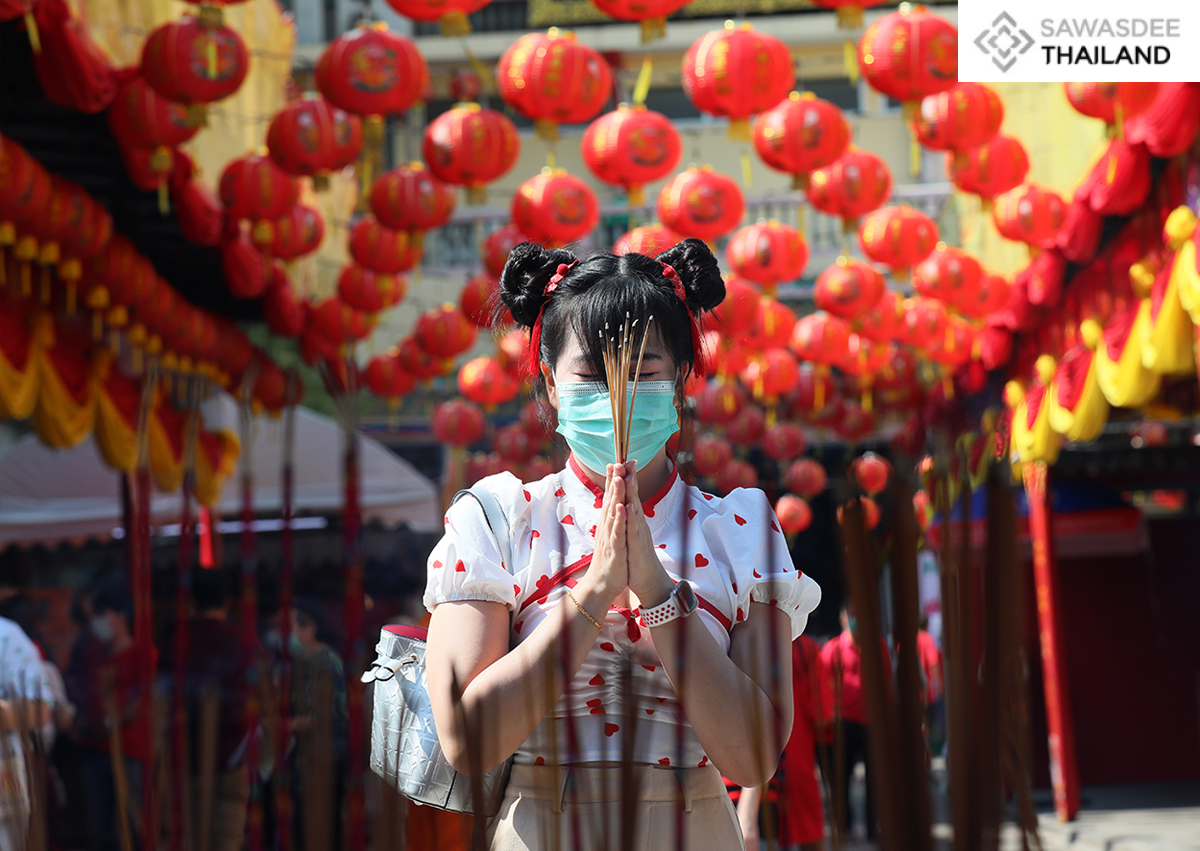
Highlights of Chinese New Year celebrations in Thailand
Across Thailand, Chinese New Year is expressed in distinctly local ways—from Bangkok’s Chinatown atmosphere to large-scale provincial processions and heritage-focused “old town” celebrations.
Yaowarat (Bangkok): Thailand’s most famous Chinatown celebration
Yaowarat Road and the surrounding Chinatown district remain the country’s best-known Chinese New Year destination. The area typically features stage performances, cultural showcases, and dense crowds moving through the heart of the district.
Nakhon Sawan (Pak Nam Pho): the “big procession” tradition
Pak Nam Pho is widely promoted as one of Thailand’s largest Chinese New Year celebrations outside Bangkok. The festival is known for its multi-day format and its signature day-and-night processions, which draw large crowds and keep the city’s streets lively well into the evening.
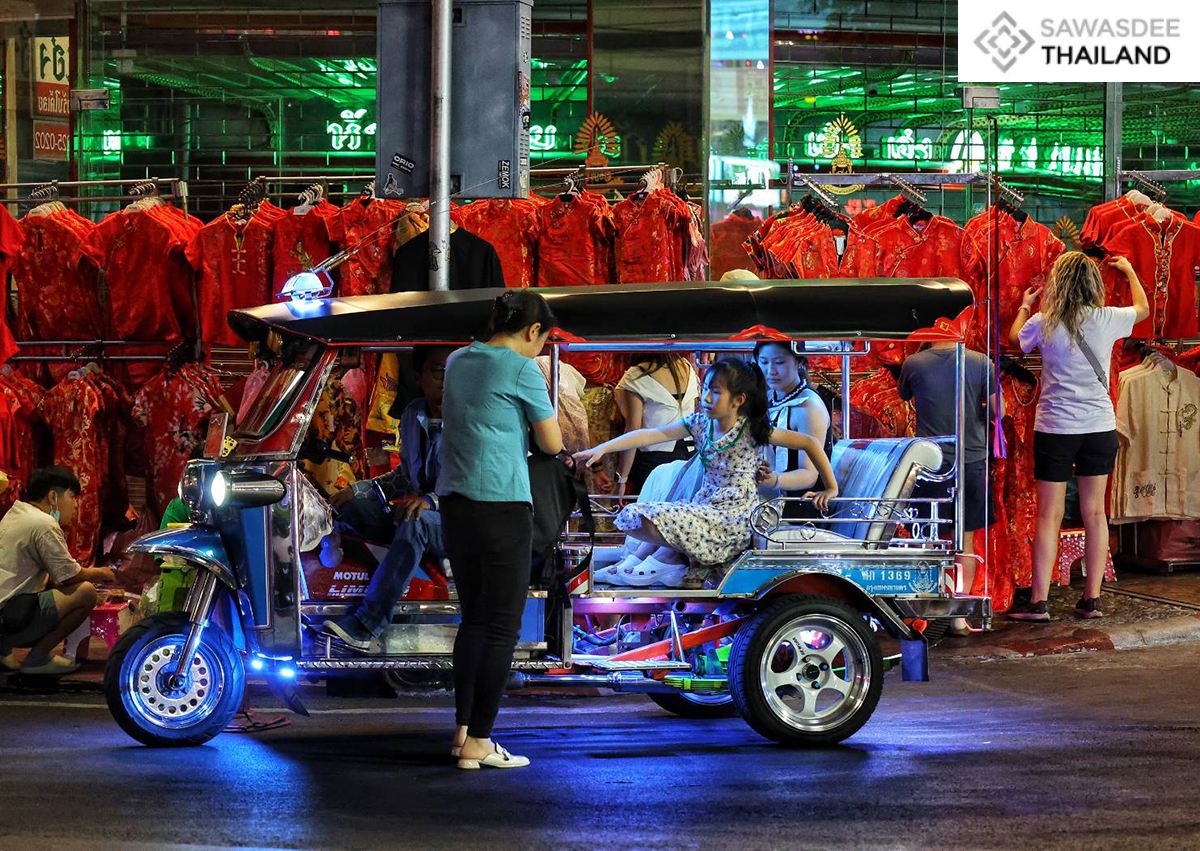
Phuket Old Town: heritage, soft power, and a modern festival format
In Phuket, Chinese New Year is closely tied to the island’s distinctive Chinese-Thai (Peranakan) heritage and the revival of Old Town as a cultural economy.
Recent editions have blended tradition with modern production: a grand parade with more than 300 participants, contemporary light-and-sound elements such as projector mapping, a 40-metre Dragon Lantern Tunnel, and hundreds of vendors across the Old Town area—positioning the celebration as both cultural preservation and tourism stimulus.
Taken together, these celebrations show why Chinese New Year in Thailand is not simply a festival “imported” from elsewhere. It has become a living part of the country’s cultural rhythm—rooted in long historical connections and strengthened by a modern Thai–China relationship that continues to shape Thailand’s diplomacy, economy, and everyday social life.


