EVs, Battery Swapping and Solar Drive Thailand’s Net-Zero Shift

Thailand is accelerating its transition from fossil-fuel vehicles to EVs, while expanding battery swapping and solar power to support its 2050 net-zero target.
Thailand has recently moved its net-zero target forward from 2065 to 2050 as part of efforts to reduce environmental impact, strengthen trade competitiveness and attract green investment. Energy transition is one of the key pathways towards achieving that goal.
The Cabinet has approved a draft executive decree authorising the Finance Ministry to borrow a total of 400 billion baht to address the energy crisis and support the country’s energy transition. Of this amount, 200 billion baht will be allocated to the “Energy Transition” programme.
One of the measures attracting the strongest public interest is support for the transition to electric vehicles (EVs), covering both cars and electric motorcycles. The policy is seen as a key mechanism for reducing fossil-fuel consumption, cutting greenhouse gas emissions and bringing the clean-energy agenda into households in a more tangible way.
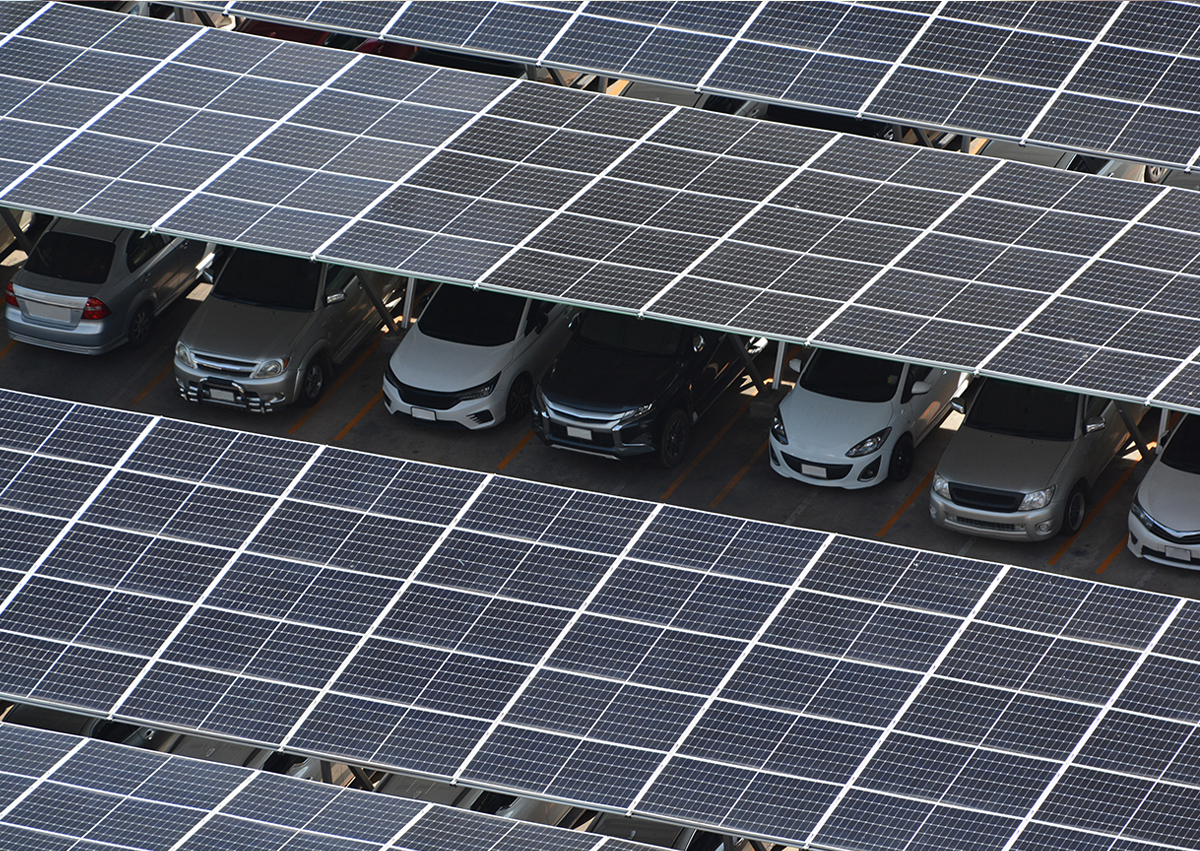
Loan Scrutiny Panel to Set Framework for Clean-Energy Projects
A Finance Ministry source said the first meeting of the screening committee for spending under the executive loan decree, chaired by the permanent secretary for finance, is expected to discuss the framework for using the full 400-billion-baht loan package.
The spending is expected to focus on assistance for vulnerable groups and the country’s shift towards a new energy structure, particularly through greater use of renewable and alternative energy.
The committee will consider proposed projects based on defined conditions. These include projects that reduce the use of fossil fuels and replace them with renewable and alternative energy, covering electricity generation, vehicle use, innovation development and income generation from carbon credits.
At the same time, the government is also considering ways to build long-term energy sustainability. This may include restructuring the electricity tariff base for the public. Authorities are now studying the most suitable approach, including the budget required, while linking the measure with broader energy restructuring to support future sustainability.
The Excise Department is preparing details of measures to support the public’s transition to EVs. The package will cover both cars and electric motorcycles. Cars eligible for the scheme will not be limited to battery EVs, as hybrid vehicles will also be allowed to participate.
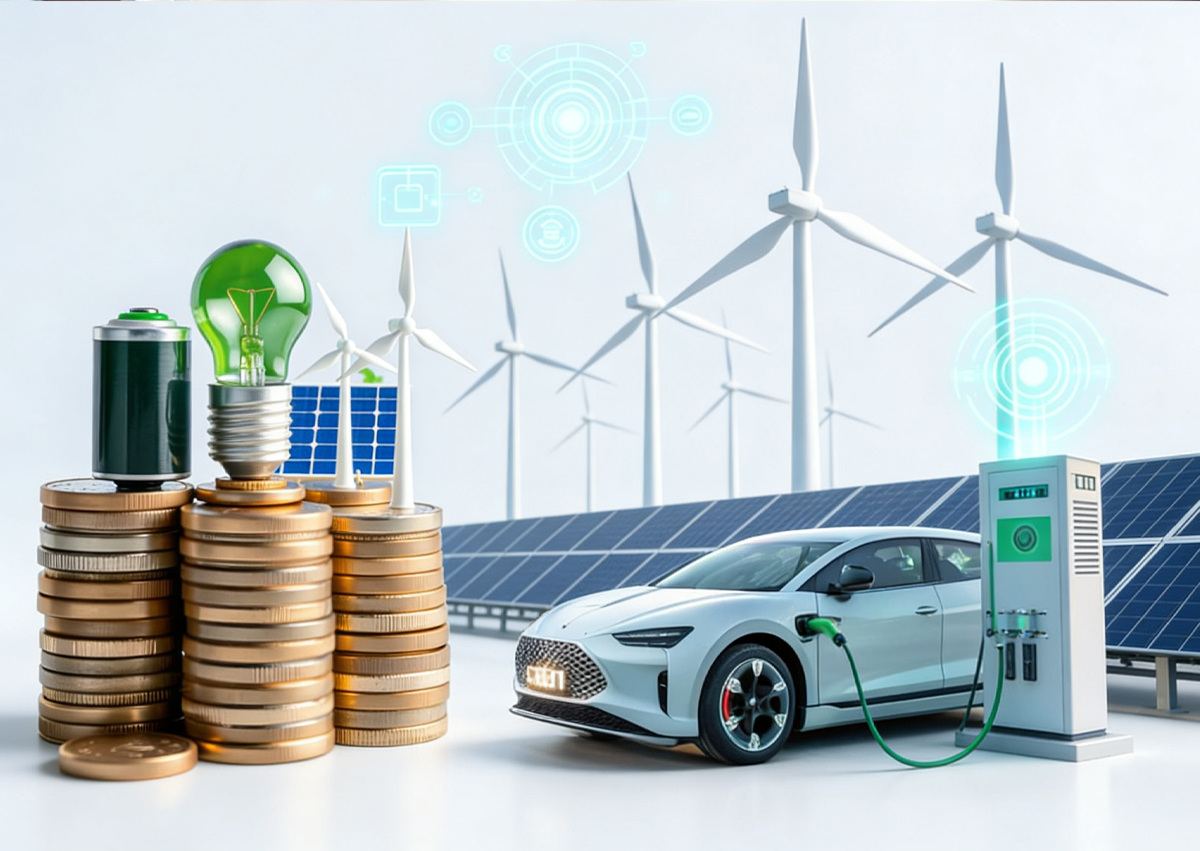
EV Charging and Battery-Swapping Stations Expected to Gain Support
Analysts said most of the 200-billion-baht loan allocation for energy transition is likely to be used to fill funding gaps or accelerate projects that the government has previously announced through policy statements or Cabinet resolutions.
This is especially relevant to the Cabinet resolution of 5 April 2026, which approved measures to promote the domestic use and production of electric motorcycles, as well as the installation of public EV charging stations and
battery-swapping stations through investment-promotion measures.
The policy covers the establishment of EV manufacturing plants, production of key parts, EV charging services and battery-swapping services.
Measures to promote EV adoption and investment in charging stations and battery-swapping services are intended to ensure that the infrastructure is sufficient to meet demand, while also being properly distributed across different areas.
Transport Ministry to Push Taxi Conversion to EVs
Siripong Angkasakulkiat, Deputy Transport Minister, said the government is preparing to submit the draft 400-billion-baht executive loan decree to Parliament for consideration on 14 May 2026.
Once the decree takes effect, the Transport Ministry will propose projects to the loan-spending screening committee under the energy transition framework. These will include an old-for-new vehicle scheme, which could be expanded to around 27,000 fuel-powered taxis in addition to private cars.
The measure would allow operators to trade in old vehicles for new EVs or hybrids, helping reduce daily operating costs and vehicle loan burdens for transport operators.
The ministry also plans to encourage private-sector investment through public-private partnerships to develop EV charging stations.
It will also improve the capability of Department of Land Transport personnel and private vehicle inspection centres, equipping them with expertise in battery systems and EV inspection to raise safety standards at every stage of service.
As of April 2026, cumulative electric car registrations nationwide stood at 435,630 units. Of these, 282,374 were registered in Bangkok and 153,256 in the provinces.
The ministry also plans to support the conversion of tractor units into EVs to improve energy efficiency. The approach is expected to lower costs and reduce greenhouse gas emissions.
Authorities also aim to accelerate the expansion of charging stations to meet the target of 12,000 DC fast-charging points by 2030. As of January 2026, Thailand had around 8,595 DC charging outlets and about 5,382 AC charging outlets.
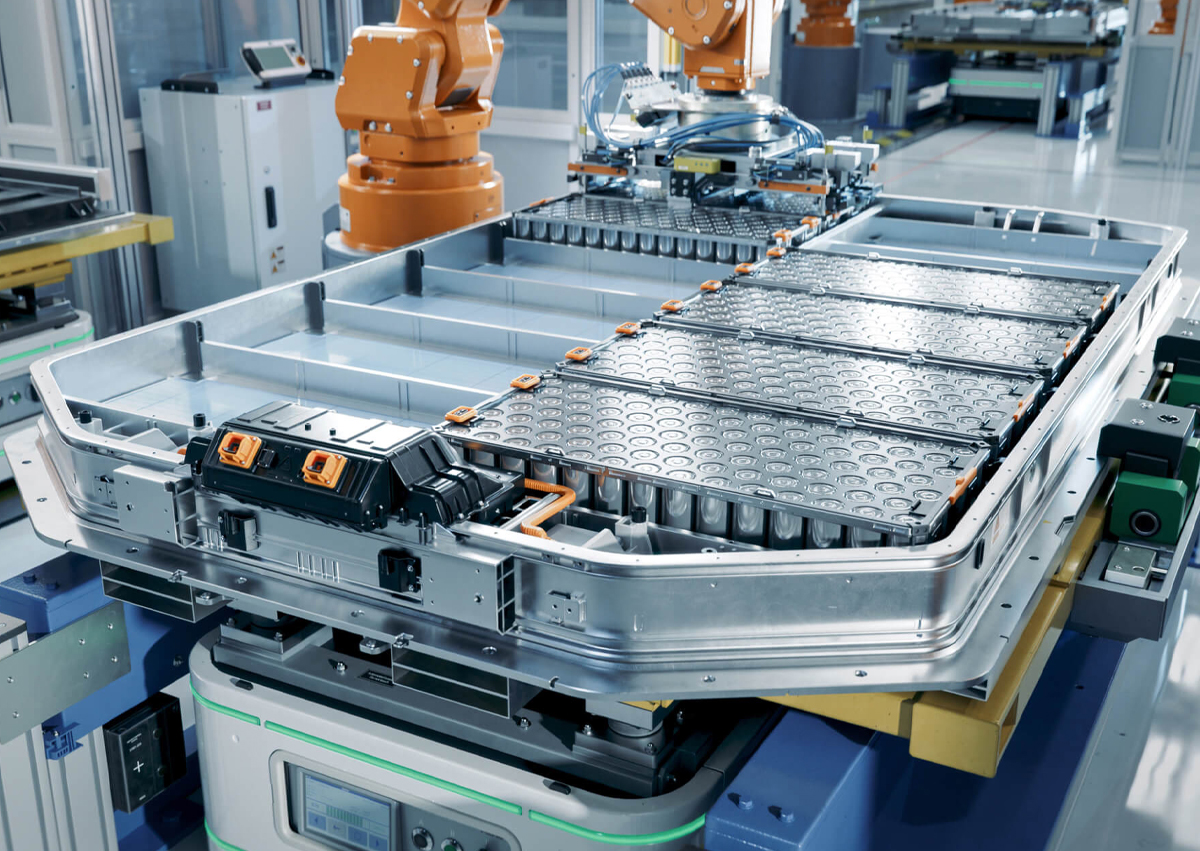
Energy Ministry Seeks Funding for Solar Rooftop Roll-Out
Akanat Promphan, Energy Minister, said earlier that the Energy Ministry was working with the Finance Ministry to secure funding for solar-panel instalment schemes. The goal is to make monthly instalment payments cheaper than normal electricity bills.
The minister has also instructed electricity authorities to speed up studies on a scheme under which they would invest in installing rooftop solar panels free of charge for households that do not want to make their own upfront investment.
Under this model, electricity authorities would sell solar-generated power back to homeowners at a lower price, such as no more than 3 baht per unit, to help reduce household expenses.
The solar rooftop programme is therefore expected to include low-interest funding support and tax deductions for public solar-panel installation, with the aim of reducing electricity costs over the long term.
A source at the Provincial Electricity Authority (PEA) said that after the draft 400-billion-baht loan decree was approved by the Cabinet, the Interior Minister instructed PEA to quickly prepare plans or projects for submission to the loan-spending screening committee.
Projects related to PEA are expected to focus on promoting rooftop solar installation and expanding EV charging stations in remote areas or places that the private sector has yet to reach. The aim is to ensure charging coverage every 50 to 100 kilometres.
“The Interior Minister has already instructed us to accelerate rooftop solar installation for households, with PEA required to move quickly and integrate its work with relevant agencies to ensure standardised, one-stop services,” the source said.


