Thailand prepares water plan as El Niño threatens lower rainfall
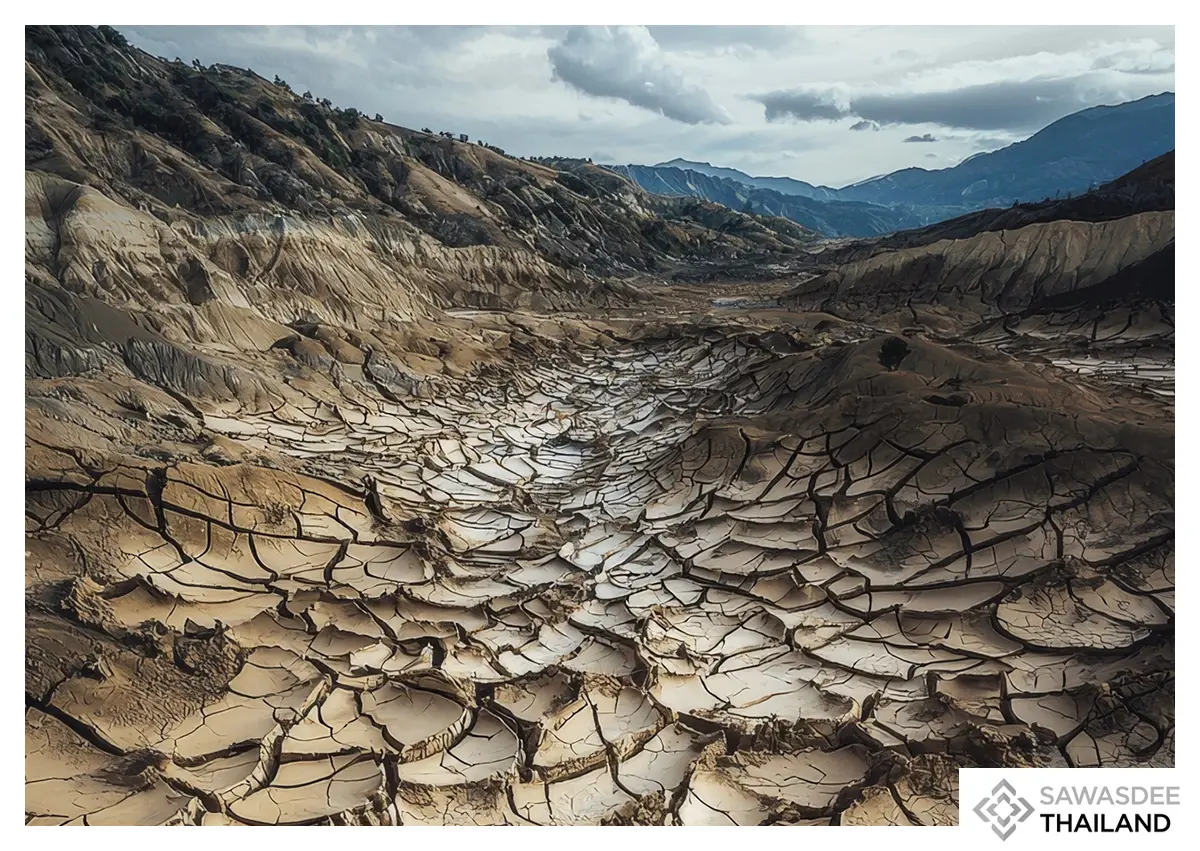
The Royal Irrigation Department speeds up drought plans as mid-year El Niño signals emerge and 57% below-normal rainfall affects high-risk areas nationwide.
Thailand is likely to enter El Niño conditions around the middle of 2026, raising concerns over lower-than-normal rainfall, as accumulated rainfall from the beginning of the year to mid-April was found to be 57% below normal.
The Smart Water Operation Centre (SWOC) of the Royal Irrigation Department reported the water situation and outlook for 2026 as of 20 April 2026, stating that Thailand was expected to move towards El Niño conditions in the middle of the year, which could result in below-normal rainfall.
The department underscored its proactive stance, maintaining continuous surveillance of weather conditions while preparing a systematic advance water-management plan.
As a result, water levels in large and medium-sized reservoirs nationwide remain at manageable levels. Their combined water volume currently stands at more than 47,186 million cubic metres, or 62% of total storage capacity, which is about 1,997 million cubic metres higher than last year.
Water Shortage Risks Amid Lower Rainfall and Rising Demand
Although the overall water situation remains under control, below-normal rainfall, combined with rising water demand, could increase the risk of water shortages in some areas, especially outside irrigation zones.
The department has collaborated with related agencies, including the Office of the National Water Resources, the Thai Meteorological Department, and local authorities, to monitor and assess the situation and continuously adjust water-management plans in line with weather conditions and available water reserves.
For water allocation during the dry season, more than 29,851 million cubic metres of water has already been used, accounting for 89% of the plan. In the Chao Phraya River basin, water delivery is being closely monitored to ensure sufficient supply during the final stage of the dry season, while also reserving water for the early rainy season, which is approaching.
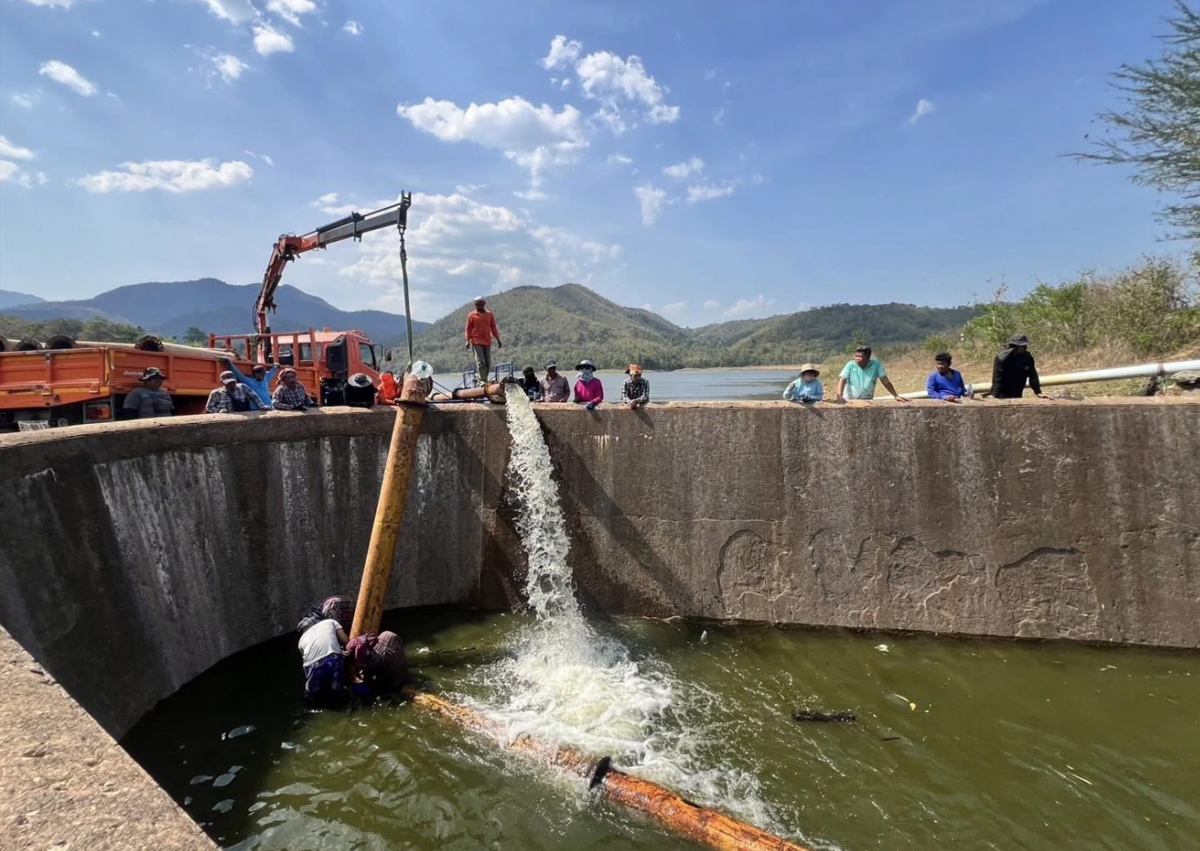
Systematic Measures to Manage Water Resources
The department has also set out systematic water-management measures to cope with both short-term and long-term situations. These include advance water-management planning for the next two years, improving water storage efficiency during the rainy season, controlling and slowing water discharge in line with the situation, adjusting crop plans to suit available water reserves, and promoting the 3R measures — Reduce, Reuse, and Recycle — to improve water-use efficiency.
At the same time, the department has accelerated assistance for people in areas at risk of water shortages by providing machinery, water pumps, and water trucks, totalling more than 6,700 units. So far, 597 units have already been deployed to support relief operations across 46 provinces.
Regarding irrigation-related employment, more than 47,856 workers have been hired, helping generate extra income for farmers and local people while also supporting drought-response efforts.
For water quality in major rivers, the department has been monitoring salinity levels and found that they remain within normal limits and do not exceed safety standards. The water can still be used safely for consumption and agriculture.
The Royal Irrigation Department said it would continue to closely monitor water levels and water quality, while adjusting its water-management plans in line with changing conditions to ensure a sufficient supply for the public and reduce the risk of possible water shortages in the future.
Location and Contact
01 Jan, 1970 -
01 Jan, 1970
Comment
Related News
Thailand Plugs into the Global AI Hardware Supply Chain with PCB Investments
1970-01-01 - 1970-01-01

Thai Research Breakthrough Clears Longan for Smoother Entry into China
1970-01-01 - 1970-01-01
Thailand’s TTM+ 2026 Turns Global Deals into Greener Growth
1970-01-01 - 1970-01-01

Thai Cocoa Steps onto the Premium Global Stage
1970-01-01 - 1970-01-01

Thailand Climbs to 26th in Global Competitiveness Ranking
1970-01-01 - 1970-01-01
