Thai Youths' Science Experiments Carried Out Aboard International Space Station
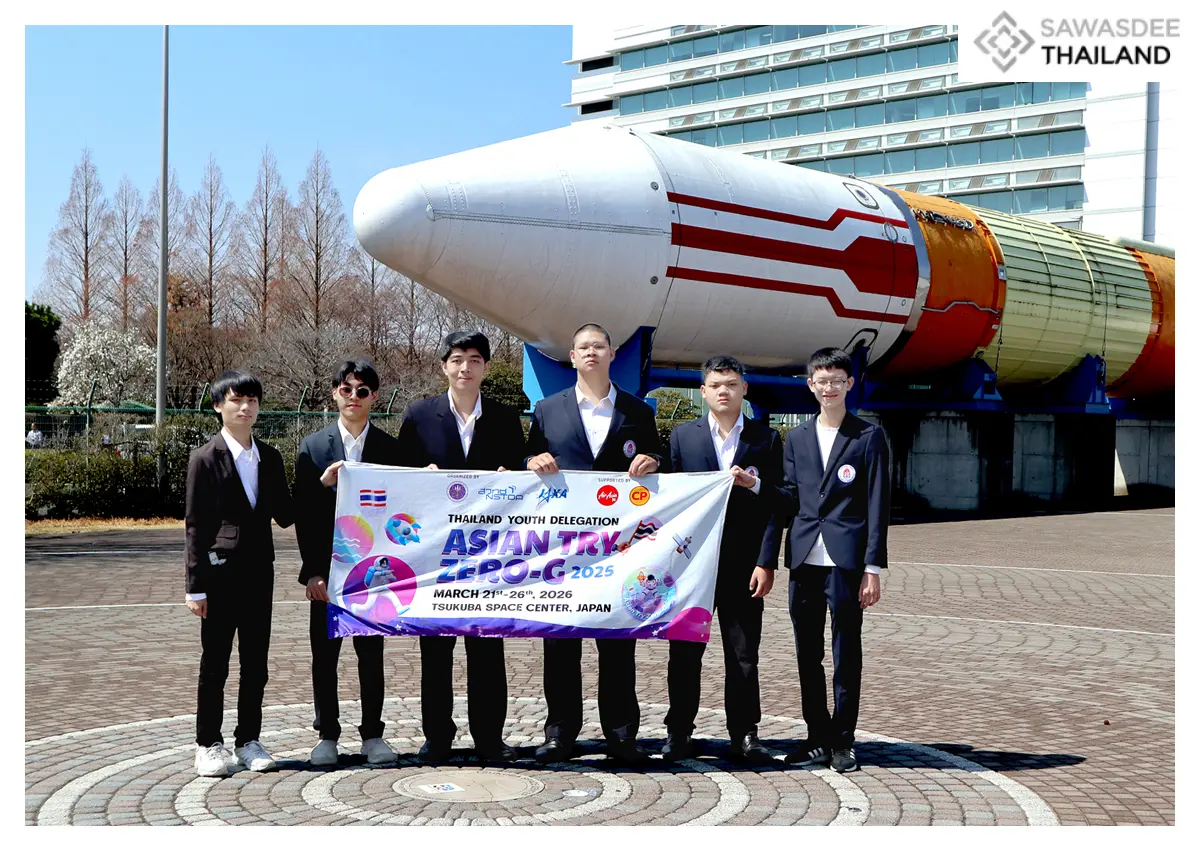
Six Thai students and undergraduates saw their microgravity research concepts selected and conducted live on the ISS as part of a pan-Asian science initiative.
Six Thai youths have brought pride to their country after their science experiment proposals were selected to be conducted aboard the International Space Station (ISS) as part of the Asian Try Zero-G 2025 programme.
The live experiments took place on 24th March at 10:30 am (Thai time), with the young researchers watching the action unfold from the Tsukuba Space Center in Japan — the ground facility operated by the Japan Aerospace Exploration Agency (JAXA). A NASA astronaut carried out the experiments in real time whilst the participants looked on.
The initiative was jointly organised by the Ministry of Higher Education, Science, Research and Innovation (MHESI), through the National Science and Technology Development Agency (NSTDA), in partnership with JAXA, Charoen Pokphand Foods Public Company Limited, and Thai AirAsia X.
Thailand was among nine Asian economies taking part in the programme, alongside Australia, Bangladesh, Japan, Malaysia, the Philippines, Singapore, Chinese Taipei, and the United Arab Emirates.
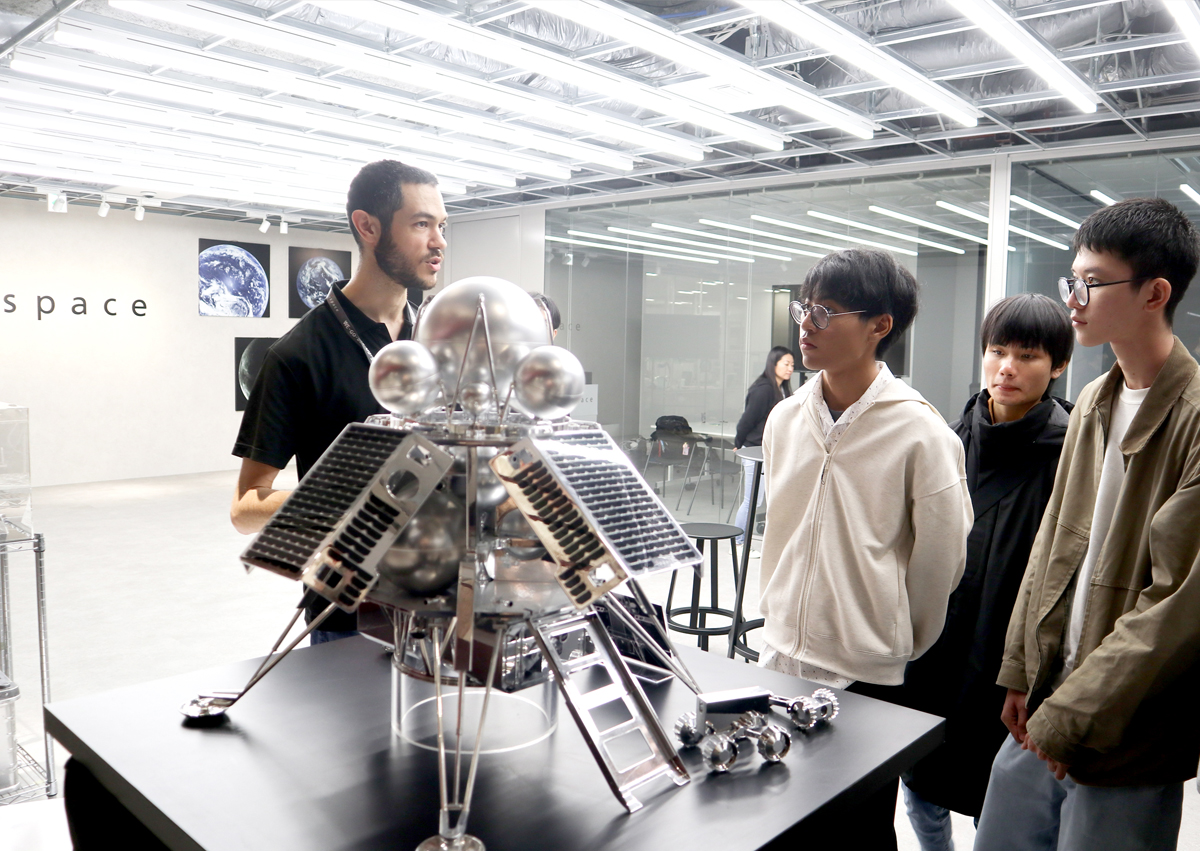
The two Thai teams, each comprising three members, had their distinct research concepts approved for the programme. The first — presented by Mathayom 6 students Thanakrit Phothipakkhi, Yossaphon Suksawang, and Krittin Ketanon of Darasasmut Sriracha School — examined simple harmonic oscillation of springs and ropes under microgravity conditions.
The second, put forward by undergraduate students Pipatphon Siriphothikul, Chanakan Choei-sa-at, and Natdanai Phuengsaengchan from Chulalongkorn University and Kasetsart University respectively, investigated the behaviour of liquid bridges in a microgravity environment.
Beyond the scientific outcomes, participants described the experience as deeply inspiring. The Thai youths were also given the rare opportunity to speak directly with the NASA astronaut conducting their experiments — an exchange that organisers hope will fuel future interest in space technology and research among the next generation.
Those wishing to follow the results of the experiments and further activities under the Asian Try Zero-G 2025 programme can do so via the NSTDA Space Education Facebook page.
Location and Contact
01 Jan, 1970 -
01 Jan, 1970
Comment
Related News
Thailand Plugs into the Global AI Hardware Supply Chain with PCB Investments
1970-01-01 - 1970-01-01

Thai Research Breakthrough Clears Longan for Smoother Entry into China
1970-01-01 - 1970-01-01
Thailand’s TTM+ 2026 Turns Global Deals into Greener Growth
1970-01-01 - 1970-01-01

Thai Cocoa Steps onto the Premium Global Stage
1970-01-01 - 1970-01-01

Thailand Climbs to 26th in Global Competitiveness Ranking
1970-01-01 - 1970-01-01
