Thai Engineers Build Smart Earthquake Alert System at One-Fifth the Cost of Foreign Alternatives
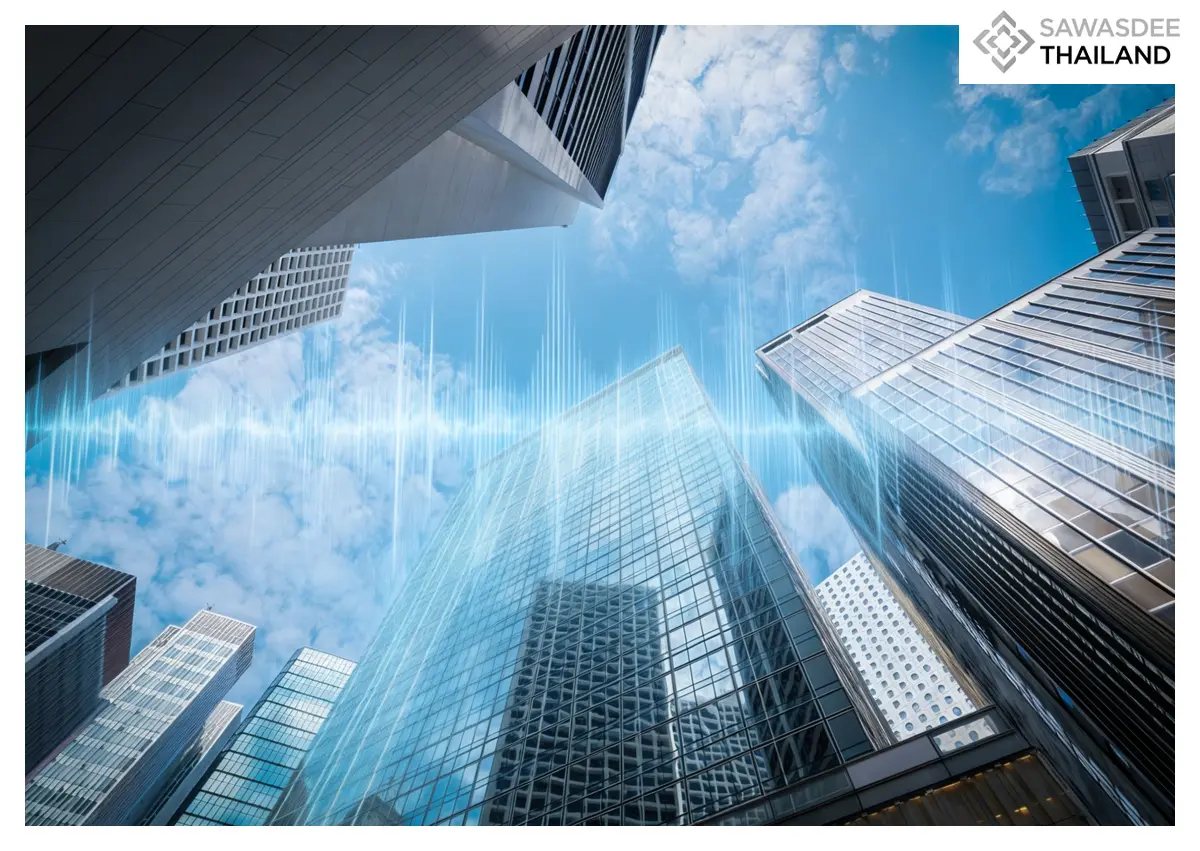
A homegrown sensor network called Tower Light is transforming how Thailand's high-rise buildings detect seismic risk — and it's already proving its worth in the field.
When a 3.3-magnitude earthquake struck Mae Suai district in Chiang Rai on 19 March 2026, the tremor was detected and flagged within moments — not by an expensive imported system, but by technology conceived, built, and deployed entirely by Thai engineers.
The alert landed directly on building managers' phones via Telegram. No panic. No guesswork. Just a clear, immediate signal.
That quiet success story sits at the heart of a broader ambition: to give Thailand's cities a smarter, more affordable way to monitor the structural health of their buildings in real time.
From Crisis to Innovation
The impetus for the technology traces back to the aftermath of a major earthquake on 28 March 2025 — an event that exposed Thailand's vulnerability in stark terms. Damage costs from past seismic events have reached 20 billion baht, and insurance claims of as much as 48 billion baht were filed in a single day, generating significant public concern. The root cause, engineers argued, was not merely the earthquake itself, but the near-total absence of reliable, real-time warning infrastructure.
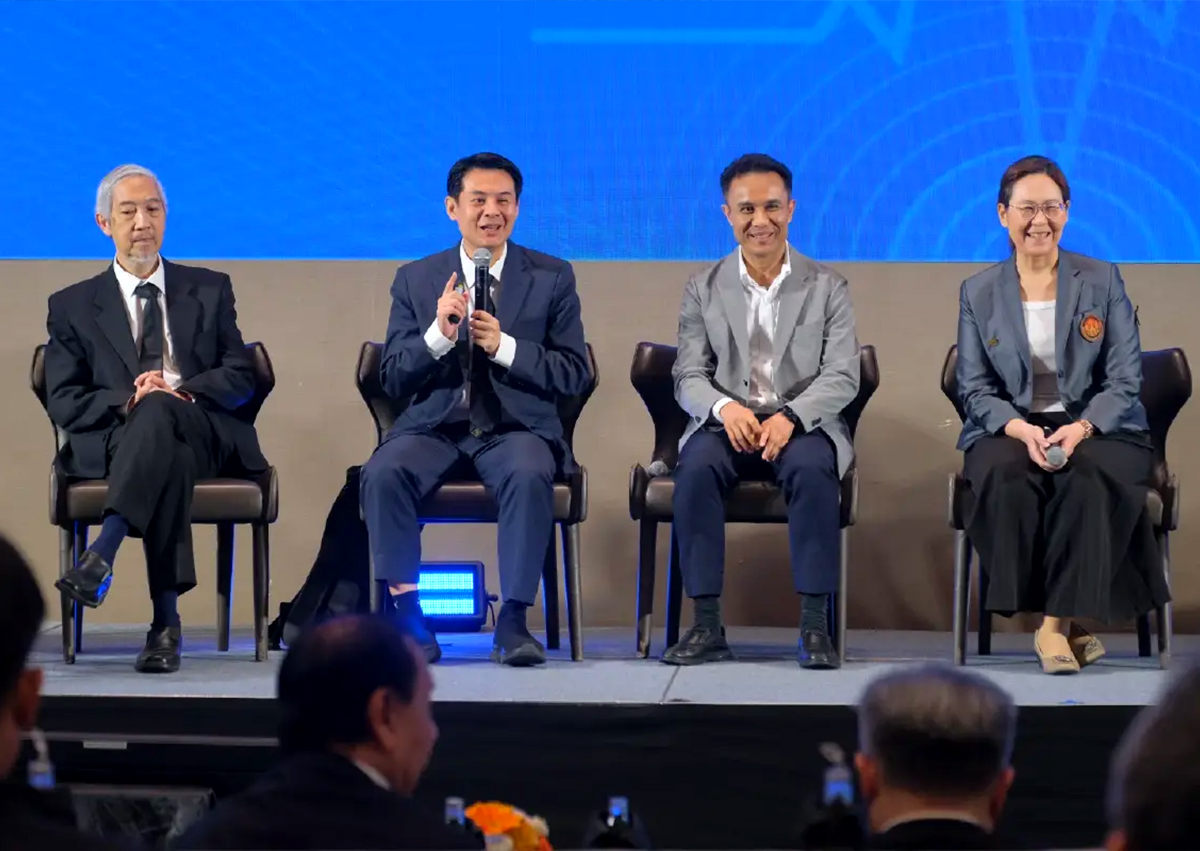
Prof Dr Amorn Pimanmas, president of the Structural Engineering Association of Thailand, noted that at the time of the 2025 disaster, around seven to eight buildings were classified as red-status — meaning they posed a serious danger to occupants.
Today, almost all have been remediated. Only one red-status building remains; its outstanding structural issues have been completely resolved, with only final administrative details currently being wrapped up.
But complacency, Prof Dr Amorn cautioned, is not an option. Bangkok remains vulnerable to future seismic events. Future earthquakes could strike closer to the capital, and without robust early-warning infrastructure, the consequences could be far more severe.
A Thai Solution to a Global Challenge
In response, the Structural Engineering Association of Thailand, working alongside relevant scientific agencies, developed the Structural Health (SH) monitoring system — a homegrown innovation completed in just one year.
Its commercial appeal is immediate: the system delivers performance on par with international equivalents at one-fifth of the cost.
The price difference, Prof Dr Amorn explained, has little to do with the sensors themselves. The real expense in foreign systems lies in the software that enables multiple sensors to communicate with one another and synthesize a complete picture of a building's structural condition.
Thai engineers cracked that problem themselves, developing proprietary data integration software that makes the technology both accessible and affordable.
How Tower Light Works
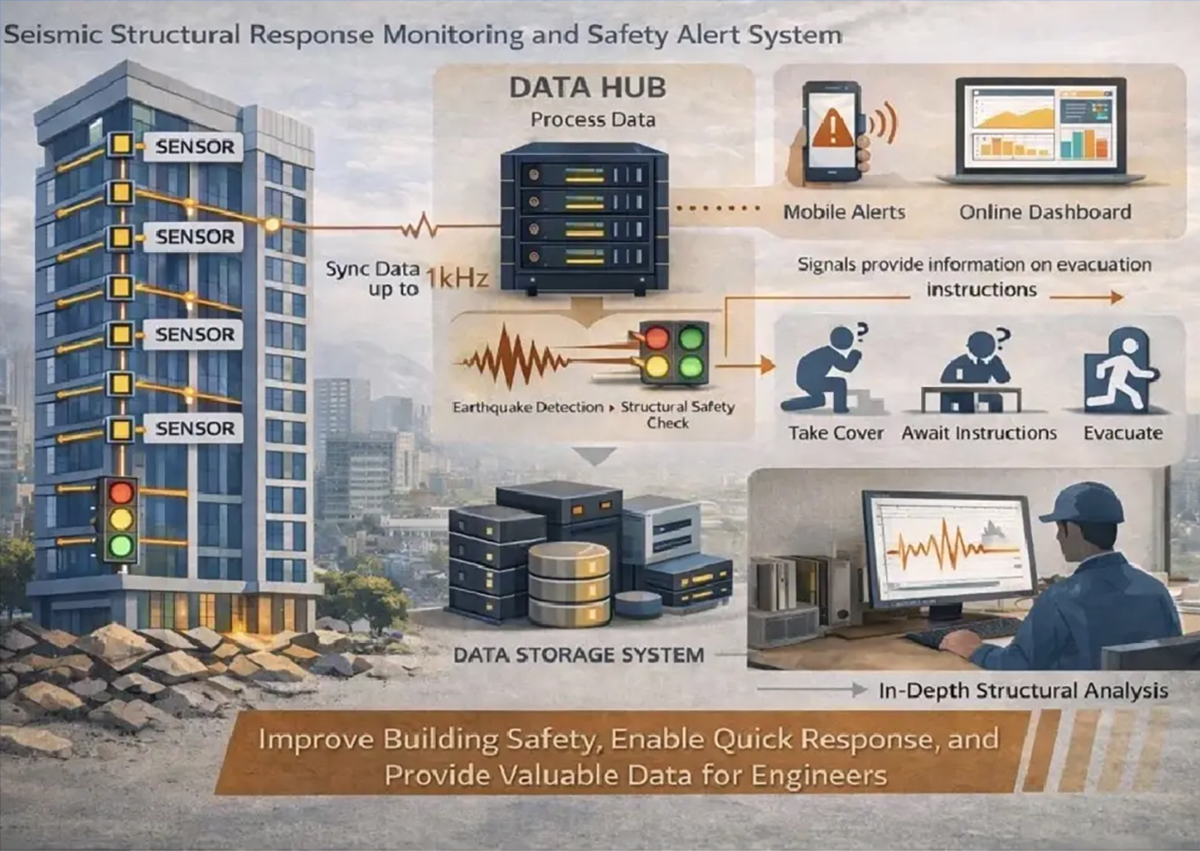
At the core of the system is what the team calls the Tower Light — a three-colour signal that communicates building status at a glance.
Green means the structure is safe and evacuation is unnecessary. Yellow signals that residents should prepare and locate nearby shelter. Red indicates severe structural damage, requiring immediate evacuation.
Sensors are installed at strategic points throughout a building, feeding vibration data to a central hub for real-time processing. Results are pushed simultaneously to a management dashboard and via Telegram alerts to building supervisors — giving decision-makers actionable information within seconds of a seismic event.
Tested in the Field
The system has already been deployed at Ban Pa School in Chiang Rai and at a five-storey hospital that sustained damage in earlier tremors — both locations that required a practical, proven solution rather than a theoretical one. The March 2026 detection of the Mae Suai earthquake confirmed the system's reliability under real conditions.
Looking ahead, the Association is actively expanding its footprint, with four high-rise condominium projects currently in the pipeline. The longer-term vision is to roll the technology out across hospitals and tall buildings throughout Bangkok.
The objective, ultimately, is not just to detect danger — but to restore normality faster when danger passes. By providing verified structural data, the system can prevent unnecessary evacuations from buildings that remain sound, reducing economic disruption and allowing residents to return to their daily lives with confidence.
Tower Light represents a significant example of Thai engineering innovation, offering an affordable structural monitoring solution that has already demonstrated its effectiveness in real-world conditions.
Location and Contact
01 Jan, 1970 -
01 Jan, 1970
Comment
Related News
Thailand Plugs into the Global AI Hardware Supply Chain with PCB Investments
1970-01-01 - 1970-01-01

Thai Research Breakthrough Clears Longan for Smoother Entry into China
1970-01-01 - 1970-01-01

Thailand’s TTM+ 2026 Turns Global Deals into Greener Growth
1970-01-01 - 1970-01-01

Thai Cocoa Steps onto the Premium Global Stage
1970-01-01 - 1970-01-01

Thailand Climbs to 26th in Global Competitiveness Ranking
1970-01-01 - 1970-01-01
